

Valorant Skirmish mode has arrived, and it’s unlike anything Riot has ever released. No agents. No abilities. Just pure, unfiltered gunplay in a 2v2 format.
Released in February 2026 as part of the V25 Act 2 update, Skirmish strips Valorant down to its mechanical core. If you’ve ever blamed utility for your deaths, this mode is your wake-up call. It’s just you, your teammate, and your aim against two opponents across three custom-built maps.
But don’t let the simplicity fool you. Skirmish has its own meta, economy strategies, and map-specific tactics. This guide covers everything you need to know to dominate Valorant Skirmish mode before the limited-time window closes.
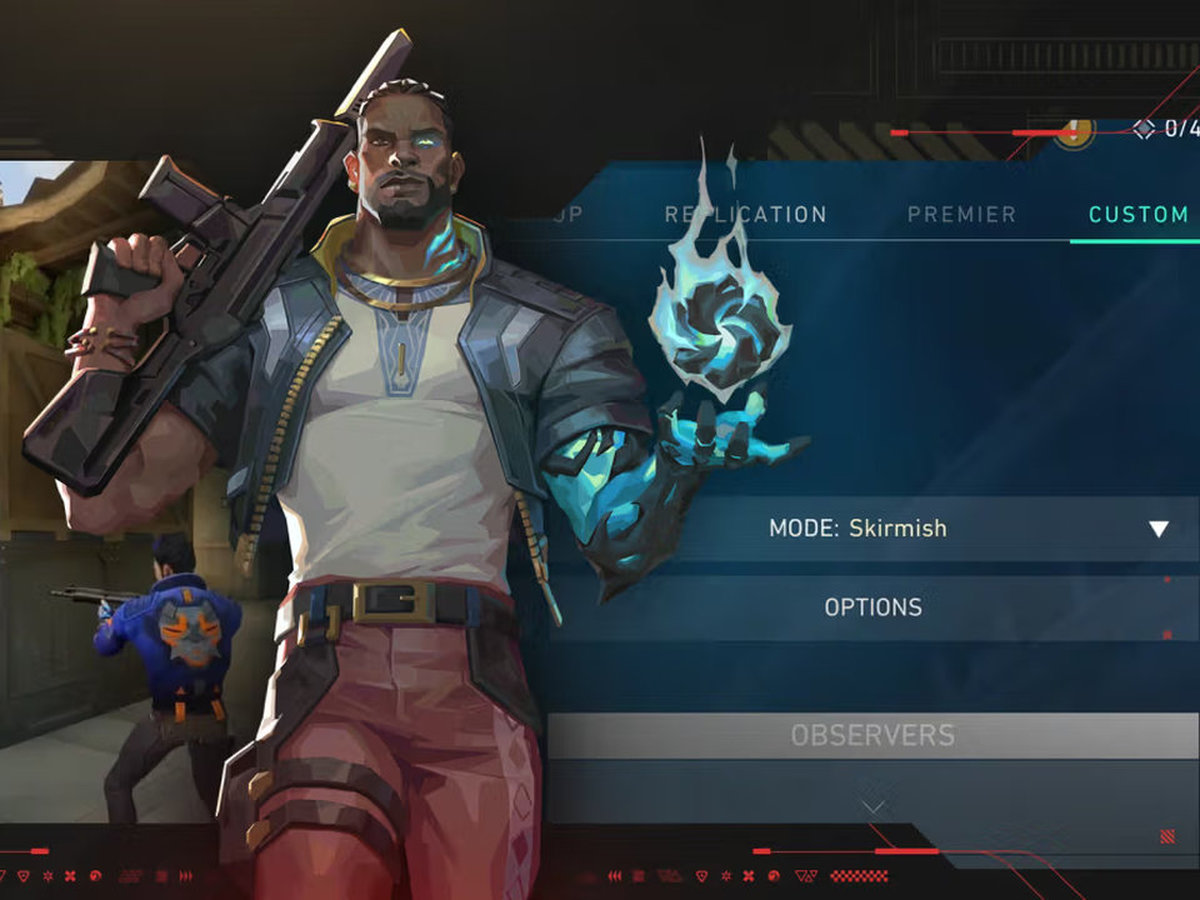
Skirmish Mode Basics: How It Works
Before learning advanced tactics, players should understand the fundamentals of Skirmish mode. The mode uses a 2v2 format that allows solo queue or duo play only. All abilities are completely disabled, and there is no agent selection, making matches purely dependent on gunplay, positioning, and teamwork.
The objective is to be the first team to win seven rounds, with victory requiring at least a two-round margin; otherwise, overtime rules will apply. Weapon orbs are scattered across the map for mid-round upgrades, adding tactical decision-making during fights. Skirmish is a limited-time mode scheduled to run from February to March 2026.
Round Structure
| Phase | Duration | What Happens |
|---|---|---|
| Buy Phase | 20 seconds | Purchase weapons from pre-selected pool |
| Combat Phase | Variable | Fight until one team is eliminated |
| Reset | 10 seconds | Brief pause before next round |
Skirmish Maps: Complete Breakdown
Riot designed three brand-new maps specifically for Skirmish. They’re smaller than standard maps, promoting fast engagements and constant action.
Map Overview
| Map | Size | Playstyle | Best Weapons |
|---|---|---|---|
| Skirmish A | Small | Close-quarters corridors | Judge, Spectre, Phantom |
| Skirmish B | Medium | Open sightlines, scattered cover | Vandal, Operator, Guardian |
| Skirmish C | Small/Medium | Vertical elements, multi-level | Phantom, Vandal, Spectre |
Weapon Meta: Best Guns in Skirmish
In Skirmish mode, weapon selection is the most important factor since abilities are disabled. S-tier weapons include the Vandal and Phantom, which are highly valued for their one-tap potential and versatility across different maps. These rifles are considered the most reliable choices for maintaining consistent damage output in both close and medium-range fights.
A-tier weapons such as the Operator and Guardian are strong for long-range engagements and reward precise aiming, making them popular among high-skill players. B-tier weapons, including the Spectre and Bulldog, are budget-friendly options useful for anti-eco rounds, while C-tier weapons like the Stinger and Marshal are highly situational. D-tier weapons, such as Shorty and Frenzy, are generally limited to pistol rounds due to their weaker overall combat performance.
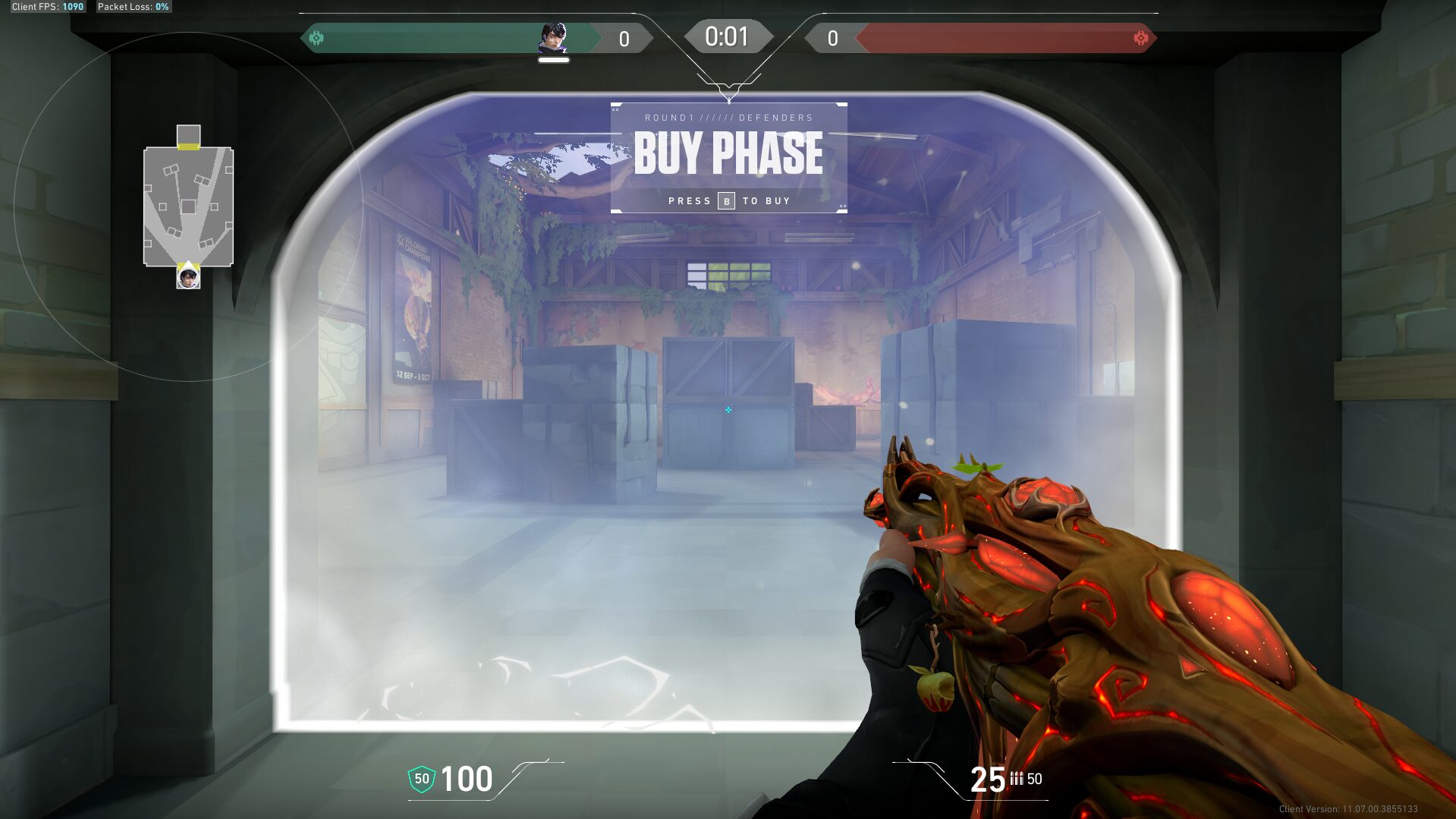
5 Strategies to Win Dominate Skirmish
Here are five high-ELO strategies used by players dominating Skirmish mode.
First, trading kills is extremely important because matches are 2v2, meaning losing one player immediately creates a 1v2 disadvantage. Always stay close enough to your teammate to trade kills—if your teammate is eliminated, you should quickly eliminate the enemy who killed them to avoid losing the round.
Second, sound is your primary source of information since utility abilities are disabled. Players should walk when stealth is needed and run when rotating quickly, while learning to identify enemy movements through footsteps.
Third, control weapon orb spawn locations on each map, as these orbs can provide free weapon upgrades during mid-rounds. Contesting orbs when it is safe can give your team a significant firepower advantage.
Fourth, manage economy carefully by saving after losing pistol rounds instead of forcing buys. Saving for a full rifle purchase in round three often provides better combat strength since there are no utility costs.
Finally, coordinate positioning to create crossfire angles. Playing off each other’s sightlines prevents enemies from engaging one player without exposing themselves to the other, making basic teamwork a key factor in winning rounds.


