

The 2025 Nitto ATP Finals brought a thrilling clash as Ben Shelton fell narrowly to Felix Auger-Aliassime. Both players entered the Bjorn Borg Group with much on the line — Shelton making his debut and Auger-Aliassime needing a win to keep semi-final hopes alive.
The matchup highlighted a generational contrast: Shelton’s aggressive, high-risk style against Auger-Aliassime’s tactical indoor mastery. The crowd witnessed a dynamic mix of blistering serves, daring volleys, and momentum swings that kept every point meaningful.
Shelton’s Explosive Opening Set – Ben Shelton
From the outset, Shelton dominated with his fast serves and fearless net play, claiming the first set 6-4. Early statistics show his aggressive approach paid off with high first-serve percentages and a significant number of winners.
| Set | Aces | Double Faults | 1st Serve % | Winners | Unforced Errors |
|---|---|---|---|---|---|
| 1 (Shelton) | 8 | 1 | 72% | 15 | 7 |
| 1 (Auger-Aliassime) | 3 | 0 | 64% | 9 | 10 |
While Shelton’s aggressive style created pressure, Auger-Aliassime remained composed, reading his opponent’s patterns and preparing for tactical adjustments that would turn the match.
Tiebreak Drama Shifts Momentum – Ben Shelton
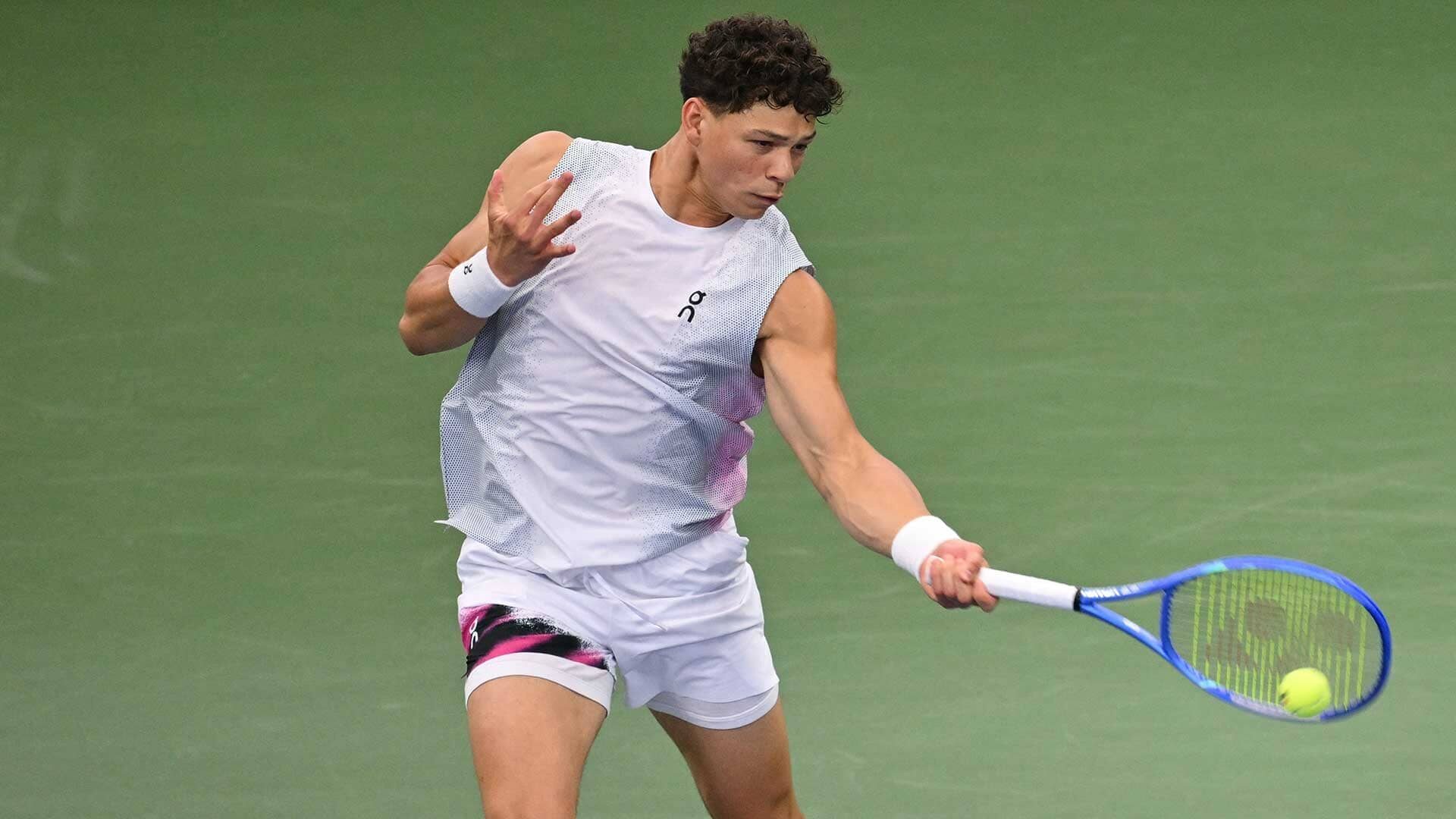
The second set came down to a high-pressure tiebreak. Shelton was two points from winning, but a crucial double fault allowed Auger-Aliassime to seize the psychological edge. From there, the Canadian converted key points to level the match.
Highlights of the momentum shift include:
• Auger-Aliassime forcing Shelton into unforced errors.
• Shortened rallies preventing Shelton from dictating play.
• Maintaining mental focus during critical points.
Auger-Aliassime noted after the match, “You just have to fight, believe, and play the next point the right way,” emphasizing the mental toughness that defined this turning point.
Canadian Adjustments Dominate Decider
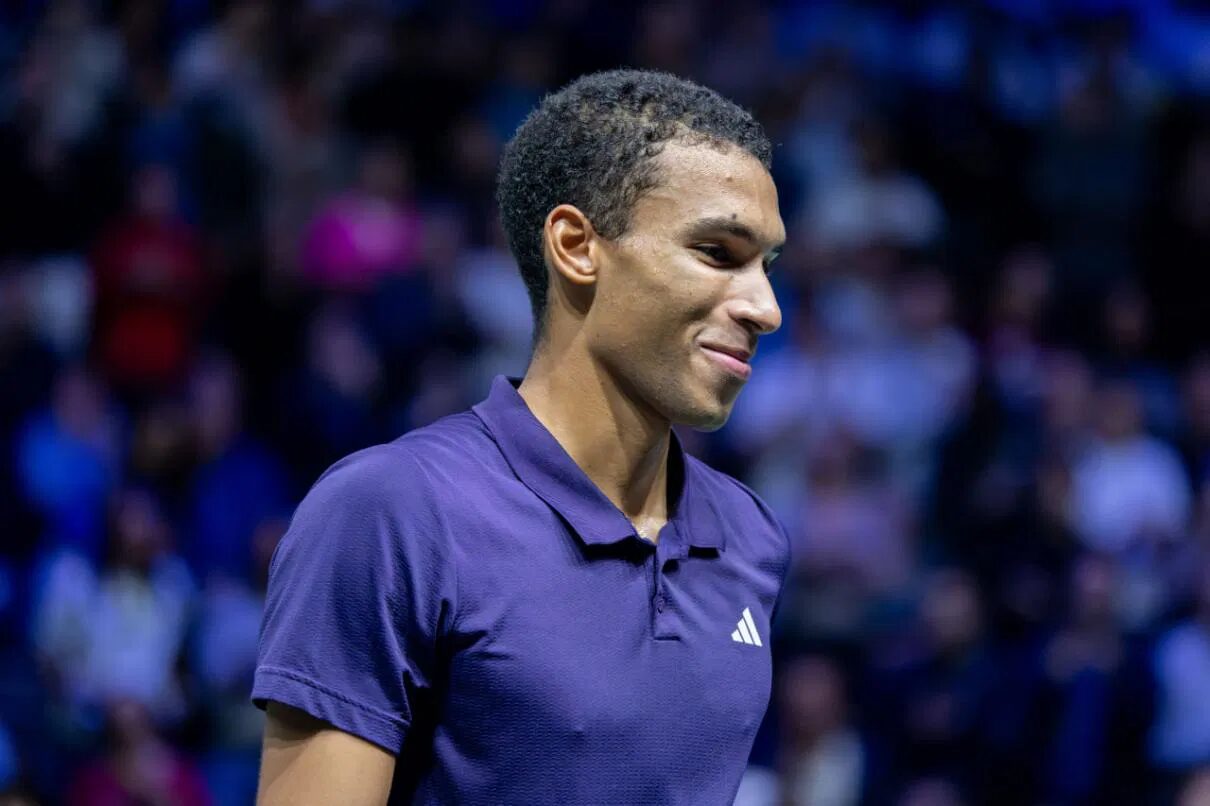
In the third set, Auger-Aliassime’s tactical game took center stage. By improving serve placement, controlling rally depth, and minimizing errors, he successfully neutralized Shelton’s aggressive style.
Key strategies included:
• Stronger baseline discipline and fewer unforced mistakes.
• Efficient court coverage to counter Shelton’s net forays.
• Managing energy for extended rallies after a gruelling tournament week.
According to ATP Tour stats, Auger-Aliassime has 84 career indoor wins and 20 deciding-set victories in 2025, making him one of the most reliable players under pressure.
Shelton’s Talent Versus Experience
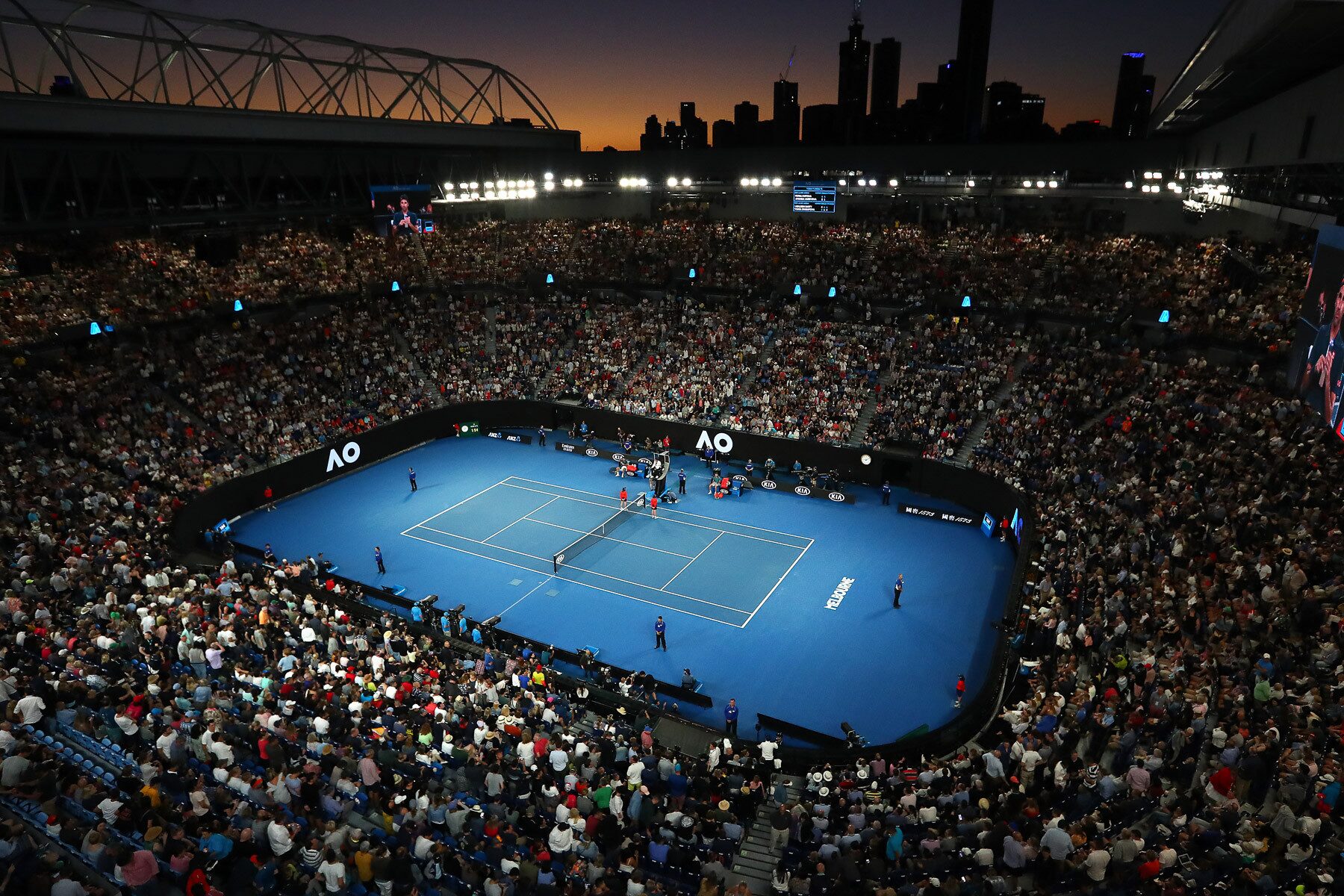
Shelton’s performance displayed his promise, but also highlighted areas for improvement. His 77% Grand Slam win rate contrasts with a 58% indoor record, showing the need for adaptation to consistently succeed indoors.
| Player | 2025 Win % | Grand Slam Win % | Indoor Win % | Titles | Rank |
|---|---|---|---|---|---|
| Shelton | 68% | 77% | 58% | 2 | 5 |
| Auger-Aliassime | 71% | 70% | 80% | 3 | 8 |
Shelton’s strengths — power serving, aggressive net approaches, and fan-pleasing style — are tempered by moments of inconsistency. Analysts compare his trajectory to Gaël Monfils, emphasizing the balance between flair and sustained success required at the top level.
Turin Thriller Reflects Modern Tennis Dynamics
Auger-Aliassime’s win keeps his semi-final hopes alive and demonstrates the importance of mental composure and tactical awareness. Shelton’s narrow loss, though disappointing, reinforces his potential to challenge top-ranked players in future ATP Finals.
This ATP Finals showdown highlights the evolving dynamics in men’s tennis: youth versus experience, raw power versus tactical precision, and talent tested by strategy. In Turin, Auger-Aliassime’s calm prevailed, but Shelton’s energy promises exciting future showdowns.


