

Most Australians see airport security as a predictable routine — empty your pockets, pass through a scanner, grab your bag, and move on. But the scene at Rockhampton Airport this week proved that even the most familiar processes can unravel faster than expected. When a suspicious item was detected at the security checkpoint, the entire airport went into immediate lockdown, forcing the evacuation of passengers and staff (Rockhampton Airport travel disruption).
Although authorities eventually confirmed that the item posed no danger, the hours-long disruption triggered a tough question: Are Australia’s regional airports truly equipped to handle modern security threats? The incident didn’t just shut down flights — it exposed systemic weaknesses that many experts have warned about for years.
A Sudden Evacuation That Revealed Fragile Protocols – Rockhampton Airport travel disruption
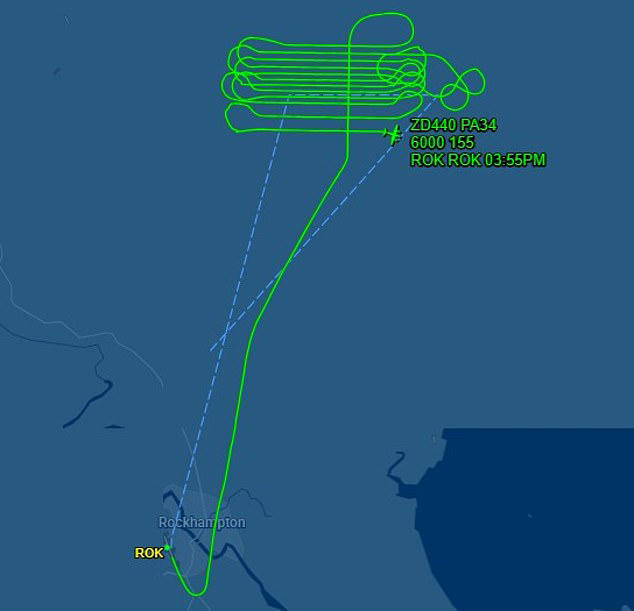
According to reports from The Nightly and Daily Mail Australia, the suspicious item was detected during routine screening, but the response quickly escalated into a full-scale evacuation. While it’s standard to err on the side of caution, the speed at which the situation spiralled showed gaps in communication and emergency readiness. Passengers were initially unsure why they were being escorted outside, with many finding out through social media rather than airport staff.
Communication Breakdown Left Travellers in the Dark – Rockhampton Airport travel disruption

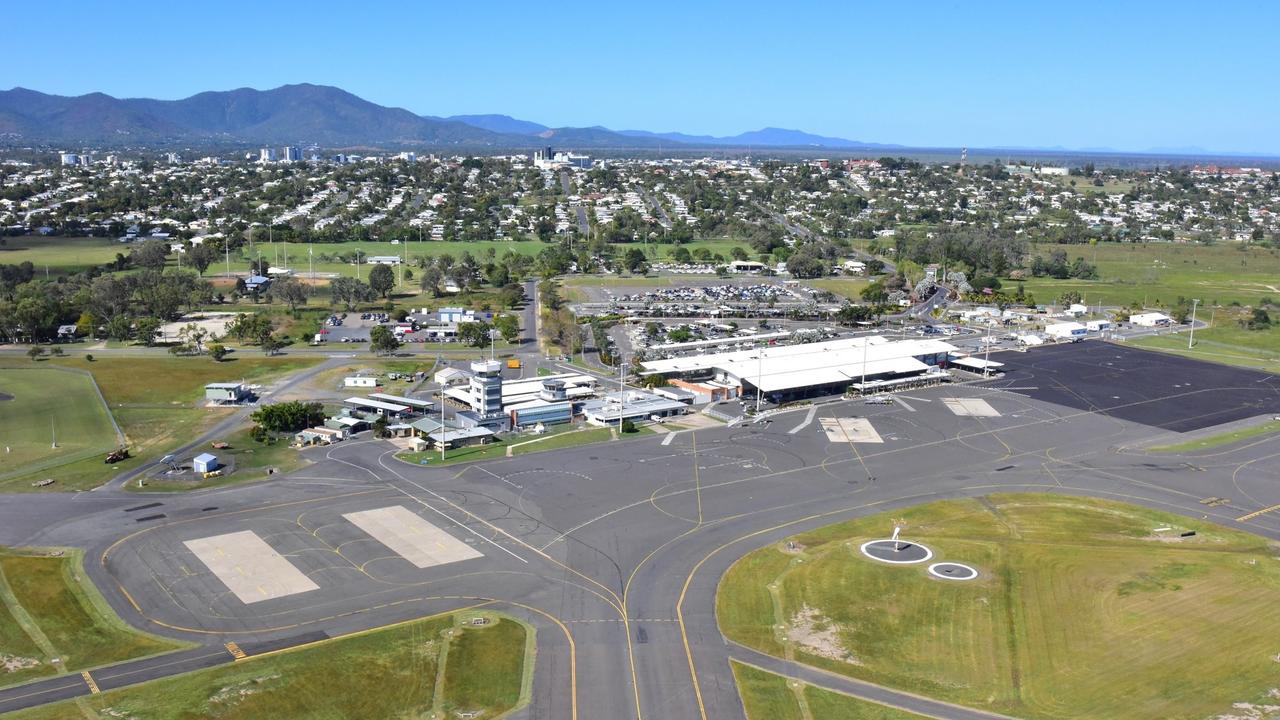
One of the most criticised aspects of the incident was the lack of clear communication. Some passengers reported hearing conflicting instructions, while others said staff seemed just as confused as travellers. A security scare is one thing — but misinformation can amplify panic, especially in a regional hub where systems may not be as robust as those in Brisbane or Sydney.
Rockhampton Airport travel disruption: What the Incident Tells Us About Regional Airport Preparedness
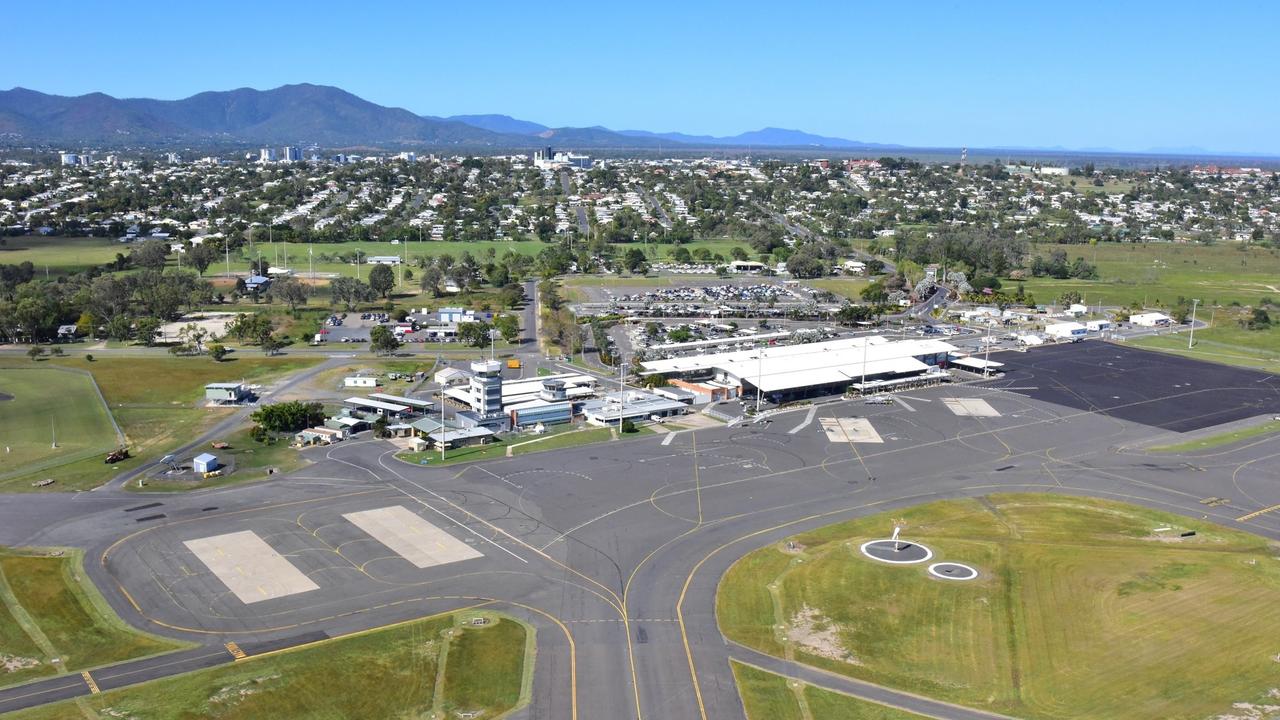
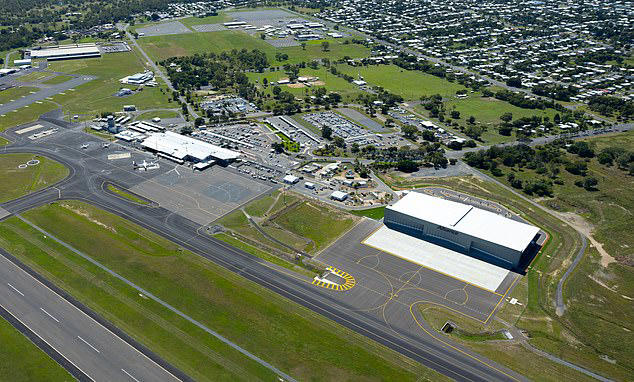
Regional airports often operate with smaller teams, fewer resources, and limited specialised equipment. Rockhampton’s evacuation highlighted how these limitations can slow decision-making during emergencies. Investigations reportedly took several hours, not just because of caution but because specialist teams had to arrive from outside the region.
Breakdown of the Security Response Timeline
| Time (AEST) | Security Action | Observed Weakness |
|---|---|---|
| 9:30 AM | Suspicious item detected | Delayed confirmation due to limited screening resources |
| 9:45 AM | Evacuation begins | Confusion among travellers and staff |
| 11:00 AM | Specialist units investigate | Dependence on external teams |
| 1:15 PM | Item deemed non-threatening | No rapid-assessment capability |
| 2:00 PM | Airport reopens | Delays continue due to lack of contingency plans |
Experts Call for Modernisation of Regional Airport Security

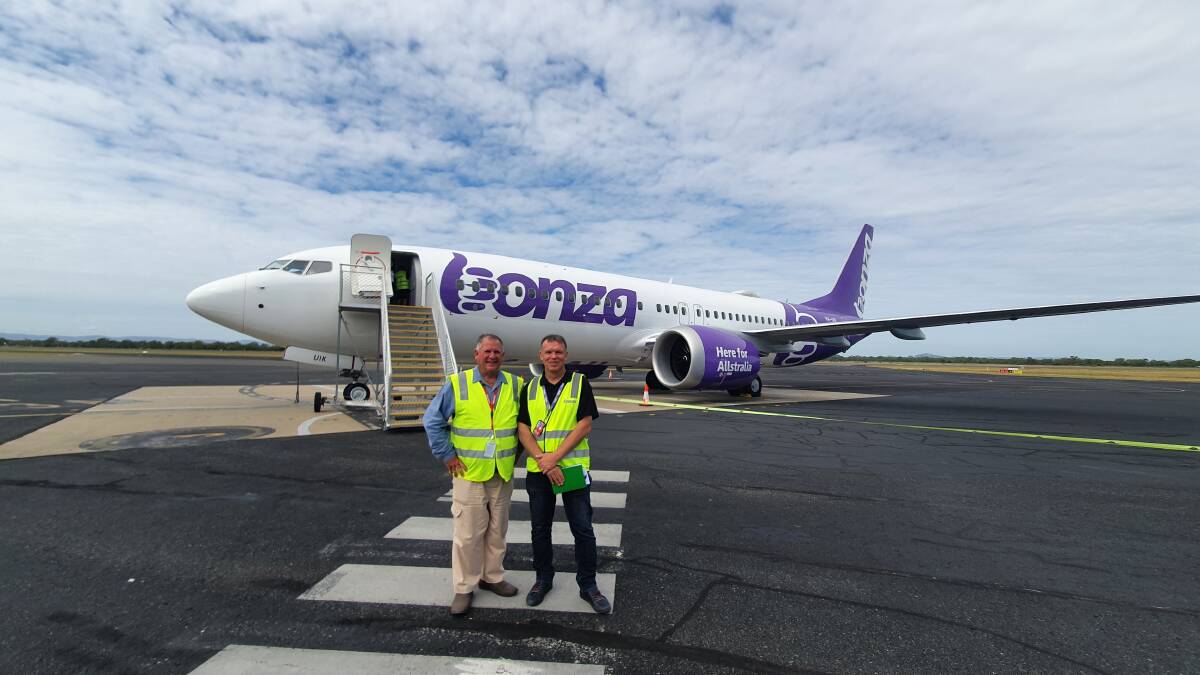

Following the incident, aviation analysts argued that regional airports need better training, faster communication systems, and improved screening tech. Queensland’s geography makes air travel essential, not optional — meaning a slow response at one airport can ripple across the entire state’s travel network.
While the Rockhampton Airport scare ended without harm, the disruption exposed vulnerabilities that Australia can no longer ignore. Regional airports form the backbone of domestic travel, yet their security systems often lag behind major city hubs. If Australia wants to maintain safe and reliable aviation standards, regional centres like Rockhampton will need upgrades — from equipment to protocols to communication systems.


