

Everyone wants to play Duelist. Frags are fun, entrying is exciting, and getting the ace clip makes you feel like TenZ. But teams don’t win championships because of Duelists. They win because their Sentinels create the structure that lets fraggers do their job.
The Sentinel role is the most misunderstood in Valorant. New players think it means sitting on site and waiting to die. High-level players know Sentinels are information gatherers, space controllers, and the backbone of every successful defense. Here is how to actually play Sentinel.

The Sentinel Mindset
The first mistake new Sentinel players make is thinking their job is to get kills. It’s not. Your job is to gather information and delay the enemy long enough for your team to rotate. If you die but your utility revealed three enemies and delayed the push for 15 seconds, you did your job perfectly.
Sentinels should be the last alive on site, not the first. Your utility buys time. Your traps create noise. Your cages obscure vision. Every second you delay the enemy push is a second your teammates use to rotate and set up crossfires.
The best Sentinels know when to fall back. Holding a site until death sounds heroic, but it’s often wrong. If the enemy commits five players to your site, your job is to get utility down, get info, and get out. Living to retake with your team is more valuable than dying for one kill.
Site Setup Fundamentals
Every Sentinel has different utility, but the principles are the same. Your traps should cover multiple angles while being difficult to shoot. Tripwires should be at head height or ankle height—never mid-height where they’re easy to spot and shoot.
Place utility where enemies have to choose between shooting it and peeking. If they shoot your trap, they’re not looking at your angle. If they peek you, they’re not shooting the trap. This creates the “damned if you do, damned if you don’t” situations that make Sentinels so effective.
Always have a “fallback position.” When the enemy rushes, don’t sit in the same spot your utility is covering. Fall back to a different angle where you can see the utility pop and shoot enemies as they clear it.
Here is the breakdown of Sentinel playstyles:
| Sentinel | Primary Role | Utility Type | Best Maps | Key Tip |
|---|---|---|---|---|
| Killjoy | Site Anchor | Alarmbot / Turret / Nanoswarm | Haven, Split, Bind | Place turret to watch flank while you rotate |
| Cypher | Information | Tripwires / Cam / Cage | Ascent, Bind, Lotus | One-way cages are your best friend |
| Sage | Support Anchor | Wall / Slow / Heal | Haven, Sunset, Icebox | Wall for timing, not just blocking |
| Deadlock | Area Denial | GravNet / Barrier / Sensor | Lotus, Pearl, Fracture | Sonic sensor counters utility spammers |
| Vyse | Information Denial | Razorvines / Shear / Steel Garden | All maps | Use Shear to split enemy pushes |
Killjoy After Patch 12.04
With the new turret rotation mechanic, Killjoy is stronger than ever. You can now place turrets at perfect angles without exposing yourself. Use this to create crossfire positions where the turret covers one angle while you cover another.
The Nanoswarm changes from previous patches mean you can now mollies through smokes more effectively. Place Nanoswarms at common plant spots and save one for post-plant. The threat of a mollie often delays defuses as much as the mollie itself.
Killjoy’s ultimate, Lockdown, wins rounds. But only if you use it correctly. Don’t pop it when enemies are already on site—they’ll just kill you and run. Pop it when you hear them approaching, forcing them to either push into a full team or retreat and waste time.
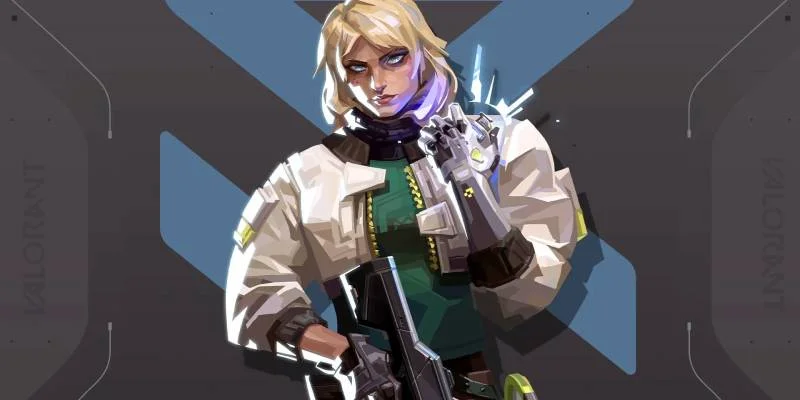
Cypher Information Control
Cypher is the king of information. His tripwires should cover multiple entry points while being difficult to clear. Place them at ankle height in common paths, but also consider head-height tripwires at off-angles where enemies won’t expect them.
The camera is underused by most Cyphers. Place it in spots where it sees multiple angles but is difficult to shoot. Use it to check if the enemy is faking before you rotate. One quick camera check can save your team from rotating into a trap.
One-way cages are Cypher’s secret weapon. Place cages on top of boxes or ledges so enemies on the other side can’t see you but you can see their feet. This creates unfair fights where you shoot them and they can’t shoot back.
The Art of Rotating
The hardest skill for Sentinels is knowing when to rotate. If you rotate too early, the enemy fakes and takes your site for free. If you rotate too late, your team loses the other site and you’re stuck retaking 1v5.
The rule: rotate on confirmed information, not on noise. If your teammate heard one footstep, that could be a fake. If your teammate saw three enemies with utility, that’s a commit. Wait for visual confirmation before leaving your post.
When you do rotate, leave utility behind. Killjoy’s turret can watch flank as you leave. Cypher’s tripwires will alert you if the enemy sneaks back. Sage’s wall can delay a late push. Your utility works even when you’re not there.
The Retake Mindset
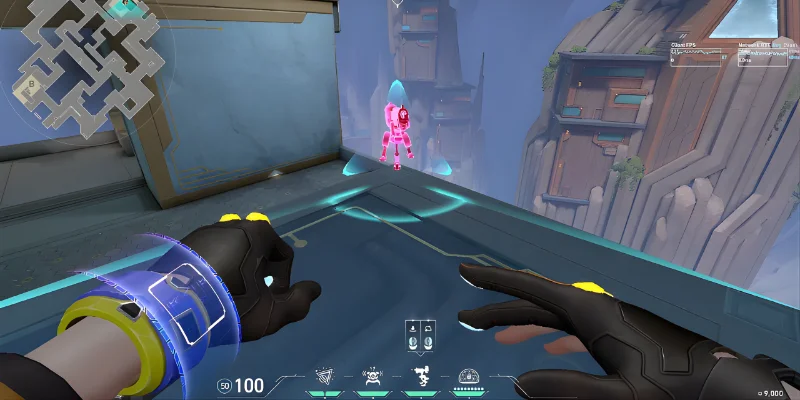
When you lose your site, the game becomes about retake. Sentinels are crucial here because your utility controls space. Killjoy’s Nanoswarms clear corners. Cypher’s cages obscure enemy vision. Sage’s wall creates temporary cover.
Don’t rush retake alone. Wait for your team, use your utility to clear space, and fight together. A 3v5 retake with proper utility usage is winnable. A 1v5 retake is just throwing.


