

Shrapnel’s core competitive experience, Stockpile mode, is deceptively simple on paper: collect 300 grav-kilos of Sigma before the enemy team does . But players diving in for the first time quickly learn that running around shooting everything that moves is a fast track to defeat.
The 4v4 objective-based mode rewards tactical coordination, resource management, and map awareness over raw aim . Whether you’re piloting the speed-based Swan or the tanky Index, understanding the deeper mechanics of Sigma collection is essential. Here is a complete Shrapnel Stockpile mode strategy guide to help your squad dominate the Tokyo map.
Understanding the Sigma Economy
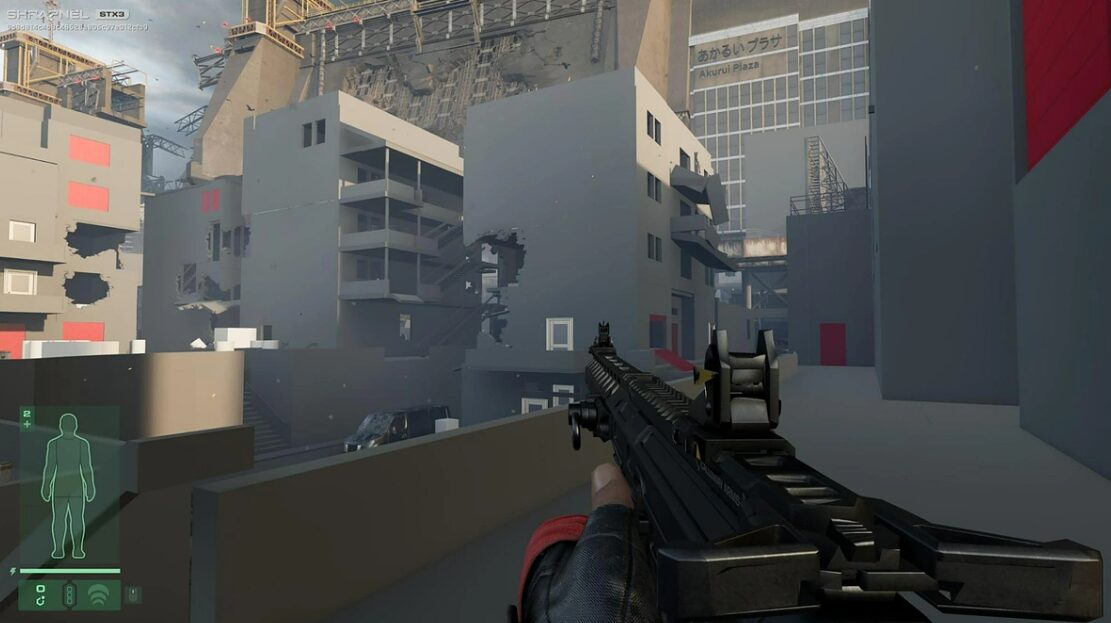
Sigma is more than just the score—it’s the source of your team’s power . As your squad deposits Sigma at your active Grav-Sync, your team abilities grow stronger, increasing your battlefield presence . This creates a snowball effect where the team controlling Sigma gains a significant tactical advantage.
However, carrying Sigma comes with serious risk. Players who exceed certain collection thresholds are “Marked for Death,” leaving glowing green footprints visible on the enemy map . This turns you into a priority target, forcing your team to either protect you aggressively or coordinate frequent small deposits to stay hidden.
The Grav-Sync deposit points also relocate throughout the match, forcing constant adaptation in routing and defense . Teams that lock into one position get punished when the objective moves.
Here is the breakdown of Stockpile mode strategy fundamentals:
| Phase | Objective | Key Tactic | Risk Level |
|---|---|---|---|
| Early Game | Secure first Sigma deposits | Spread out, locate meteor impacts | Low |
| Mid Game | Control Grav-Sync, deny enemy deposits | Marked players should bank frequently | Medium |
| Late Game | Race to 300 or steal from enemy base | Coordinate assault or full defense | High |
| Enemy Raid | Protect your stockpile | Defend Grav-Sync, hunt marked carriers | Critical |
| Blackout Recovery | Restore abilities after theft | Aggressively reclaim Sigma | Urgent |
Early Game: Scavenge and Establish
At match start, Sigma only becomes available after meteor impacts in designated zones. Your squad should spread out slightly to locate fresh craters quickly while maintaining communication. Rushing impacts is dangerous—getting too close to a strike results in instant death.
Once Sigma is collected, the carrier must decide whether to deposit immediately or hold for a larger score. The general rule: bank early, bank often. Frequent small deposits keep your team off the enemy radar and steadily build ability power. Only carry significant Sigma when you have squad support and a clear path to deposit.
Mid Game: Map Control and Denial
As the match progresses, controlling the Grav-Sync locations becomes crucial. These deposit points shift periodically, forcing teams to rotate and re-establish defensive positions. The squad that predicts the next Grav-Sync location and rotates early gains a significant advantage.
Sigma abilities become more impactful as deposits accumulate . Swan’s short dashes excel at quick flanks and escape routes, while Index’s energy blasts can knock enemies off deposit points or create space for retreating carriers. Coordinate ability usage with your team’s current objective.
The “Marked for Death” mechanic creates interesting strategic dilemmas. If a teammate is glowing, the enemy team knows their general location. Use this as bait—position the marked player in a defensible spot while teammates set up ambush angles. Alternatively, have them bank immediately to shed the mark.
Late Game: The Race or the Raid
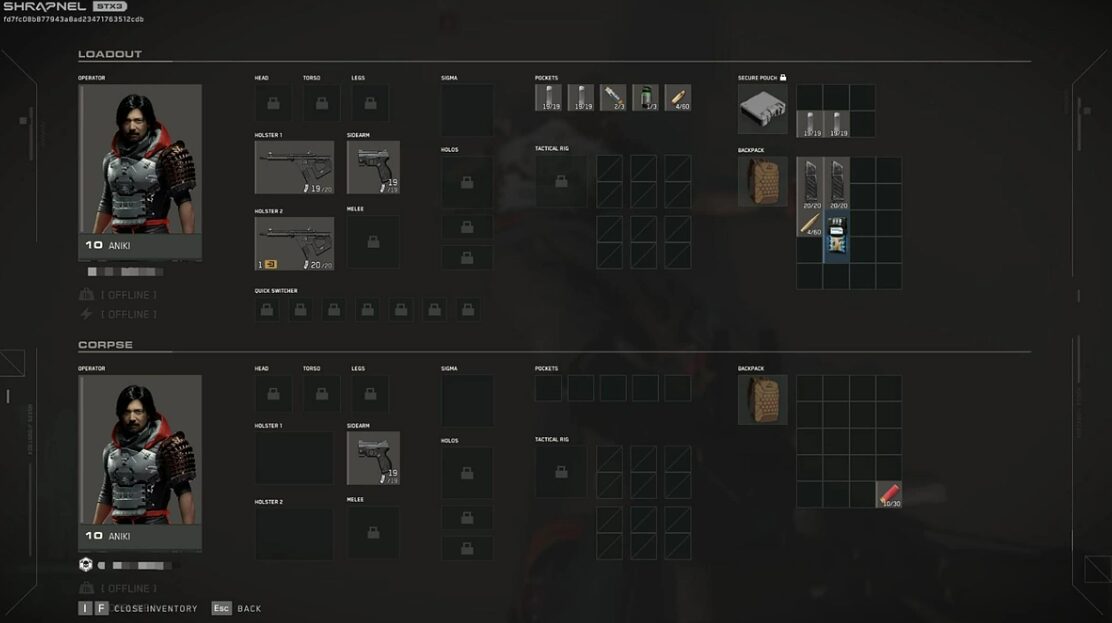
Once a team approaches 300 Sigma, the dynamic shifts. The leading squad typically plays defensively, protecting their Grav-Sync and intercepting enemy carriers. The trailing squad faces a choice: continue collecting or launch a direct raid on the enemy base.
Stealing Sigma directly from the enemy Grav-Sync is high-risk but high-reward . A successful raid can swing the match instantly, but overcommitting leaves your own base undefended. The best raiding parties send 2-3 players while leaving at least one defender to watch for counter-raids.
If the enemy successfully steals your entire stockpile, your abilities deactivate immediately in a Blackout event. Recovery requires aggressive Sigma collection to restore systems. In this state, avoid direct confrontations—focus on uncontested Sigma sources and rebuild.
Operator Roles and Team Composition
With only two Operators currently available, team composition is straightforward but still requires coordination. Swan players should focus on Sigma collection and rapid deposits, using dashes to escape dangerous situations. Index players provide defensive presence, using energy blasts to disrupt enemy carriers and protect the Grav-Sync.
Players can switch Operators upon respawn, allowing squads to adapt their strategy mid-match. If the enemy team is aggressively raiding, swapping to multiple Index Operators creates a tougher defensive wall. If Sigma collection is slow, adding more Swan Operators increases mobility.
Advanced Tips from Early Access Players
The extraction shooter community has already identified several advanced techniques :
- Move quietly in urban areas. Walking instead of sprinting eliminates footstep noise, allowing you to hear enemies approaching while staying hidden.
- Leave one or two Sigma at collection points. Fully clearing a Sigma node makes the aura disappear, signaling to enemies that someone has been there. Leaving a small amount hides your presence.
- Focus fire on the same body part. Operators have health pools divided by head, torso, arms, and legs. Damaging the same area concentrates damage and secures kills faster.
- Grenades force movement. Tossing grenades into covered positions forces enemies to expose themselves, creating easy follow-up shots.
- Use Shockwave for mobility and damage. The Sigma Wave ability (Index’s primary) can knock enemies back, push them out of cover, or even launch you to elevated positions.
The Winning Mindset
Stockpile rewards patience and coordination over individual fragging power. Teams that communicate Sigma locations, coordinate deposits, and protect marked carriers consistently outperform squads focused solely on kills.
As Early Access continues and Neon Machine releases weekly updates, the meta will evolve. Stay adaptable, learn from each match, and remember: the squad that controls Sigma controls the match.


