

In the current gaming climate, players are often bombarded with marketing buzzwords that promise “infinite possibilities” and “total freedom.” However, engaging with an open world game 2026 requires a discerning eye to separate genuine innovation from polished PR. There is a persistent myth that a game’s quality is directly tied to the square mileage of its map. In reality, the community is starting to realize that a massive, empty desert is far less valuable than a single, densely packed city block. True “freedom” in 2026 isn’t about where you can go, but rather how much you can actually do once you arrive at your destination.
| Common Myth | The Gaming Reality | The Truth in Practice |
|---|---|---|
| Bigger is Better | Scale often leads to “empty world” syndrome. | Dense maps like Night City feel larger. |
| Infinite AI | Most NPCs still follow sophisticated scripts. | Schedules in Kingdom Come 2 provide the illusion. |
| Total Freedom | Design “chokepoints” guide the narrative. | Elden Ring uses difficulty to soft-gate areas. |
| New is Best | Remasters often outshine new releases. | Witcher 3 remains the narrative gold standard. |
Clarifying the “Bigger is Always Better” Misconception
The most frequent misunderstanding in adventure games is the obsession with landmass. We often see trailers boasting about maps “three times the size” of previous entries, yet this rarely translates to more fun. A crucial clarification is that “perceived scale” is more important than “actual scale.” For example, the verticality of modern PC games and PS5 games means a player can spend hours in a single skyscraper. This “vertical density” is a much more efficient use of space than a hundred miles of procedurally generated forest that serves no narrative purpose.
- Density over Distance: Hand-crafted secrets in every corner outweigh repetitive landscape filler.
- Travel as Gameplay: If moving across the map isn’t fun (e.g., Zelda’s paragliding), the map is too big.
- The “Ubisoft” Effect: Avoiding the trap of filling a large map with thousands of meaningless icons.
Debunking the “Living, Breathing AI” Legend in an Open world game 2026
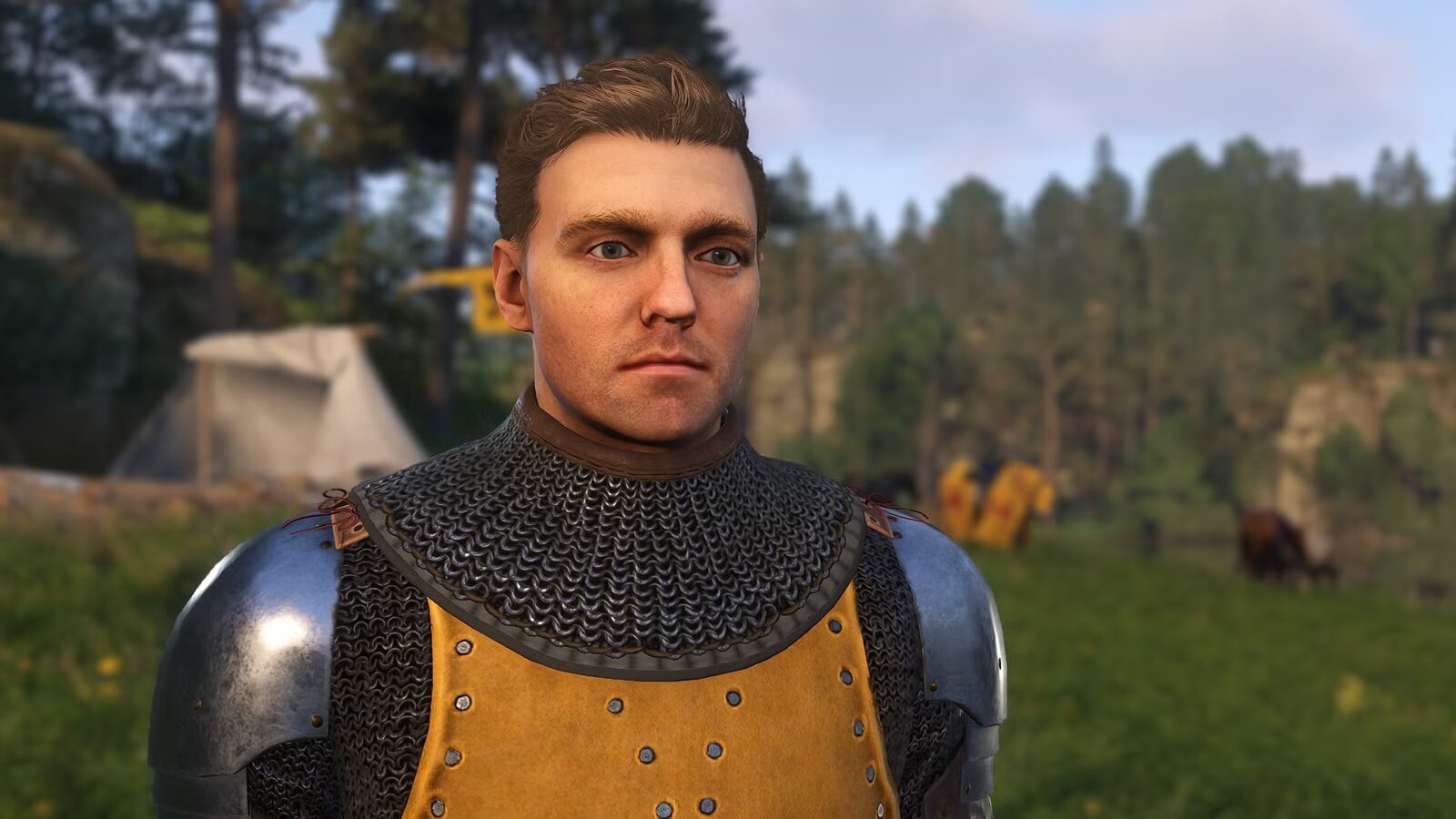
We frequently hear developers claim their world “lives on without the player,” but it is important to clarify what this actually means. In the context of an open world game 2026, “Living AI” is usually a highly complex set of schedules rather than true sentient decision-making. In Kingdom Come: Deliverance 2, for instance, NPCs go to work, eat, and sleep. While impressive, it is a simulation of life, not life itself. Understanding this helps players appreciate the craftsmanship behind these systems without expecting the impossible from current hardware capabilities.
The Myth of Total Choice and Consequence in RPGs
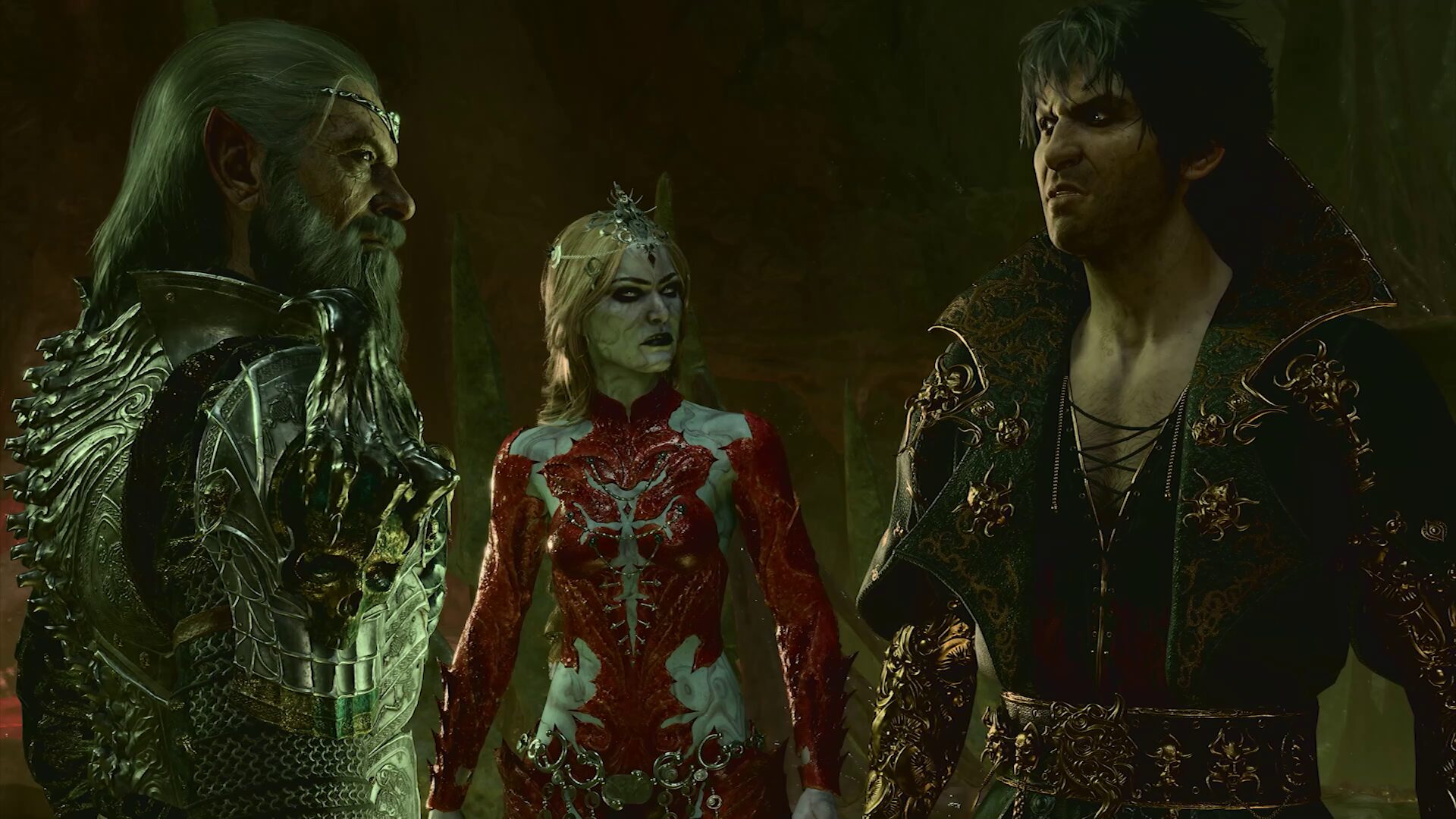
Many RPG open world titles promise that “every choice matters,” but experienced players know this is often a narrative illusion. It is vital to clarify that most games use a “diamond” structure: choices may veer the story off in different directions temporarily, but they usually funnel back into key plot points. However, masterpieces like Baldur’s Gate 3 have moved the needle by offering genuine, world-altering consequences. This isn’t the standard yet, but it’s a clarification that helps players manage expectations when a game claims to offer “thousands of endings.”
- Illusion of Choice: Dialogue options that lead to the same result but with different “flavor” text.
- Hard Consequences: Decisions that permanently lock out certain questlines or kill off major characters.
- World Reactivity: Small changes in how NPCs greet you based on your previous deeds.
Clarifying the Role of Graphics vs. Immersion
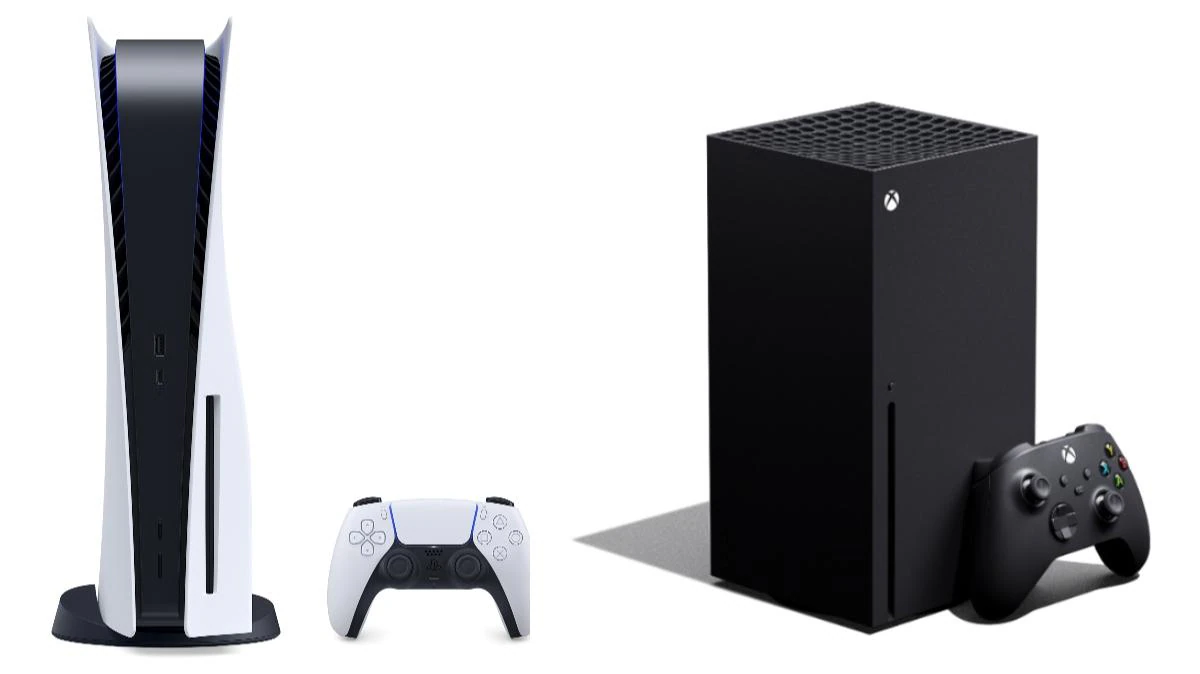
There is a loud contingent of the community that believes 4K textures and ray-tracing are the only path to immersion. However, a deep dive into the best games 2026 reveals that art style and “vibe” often trump raw technical power. A game like Ghost of Yotei uses art direction to create a sense of place that high-poly models alone couldn’t achieve. We must debunk the idea that a game is “outdated” just because it doesn’t push the absolute limits of the Xbox Series X. Immersion is a result of sound design, lighting, and world-building—not just pixel count.
Final Verdict: Building a Mature Perspective on Virtual Worlds
By stripping away the myths, we can finally appreciate the open world game 2026 landscape for what it truly is: a remarkable peak in human creativity and technical engineering. We don’t need “infinite” maps or “sentient” AI to have a transformative experience. What we need are worlds that are built with intention, where the developers have prioritized the player’s emotional journey over marketing checkboxes.
As we look toward the future, the clarification of these myths allows us to demand better games. We should celebrate the titles that focus on depth, reactivity, and soul, rather than those that simply try to be the “biggest.” The true magic of the open world isn’t in its perfection, but in its ability to make us feel like an explorer in a land where anything is possible—even if it’s just a very well-designed illusion.


