

The Dota 2 SEA tournament 2025 season is more than an esports schedule—it’s a shared celebration across Southeast Asia. In cities like Manila, Bangkok, and Kuala Lumpur, tournaments transform into community events that resemble festivals. It’s not unusual to see shopping malls or esports cafés filled with fans of all ages, all coming together to celebrate the game. This blend of competitive gaming and lifestyle has made the SEA scene stand out globally, showing how esports can act as a unifying cultural thread.
Quick Look
The Role of Fans in Creating the Atmosphere
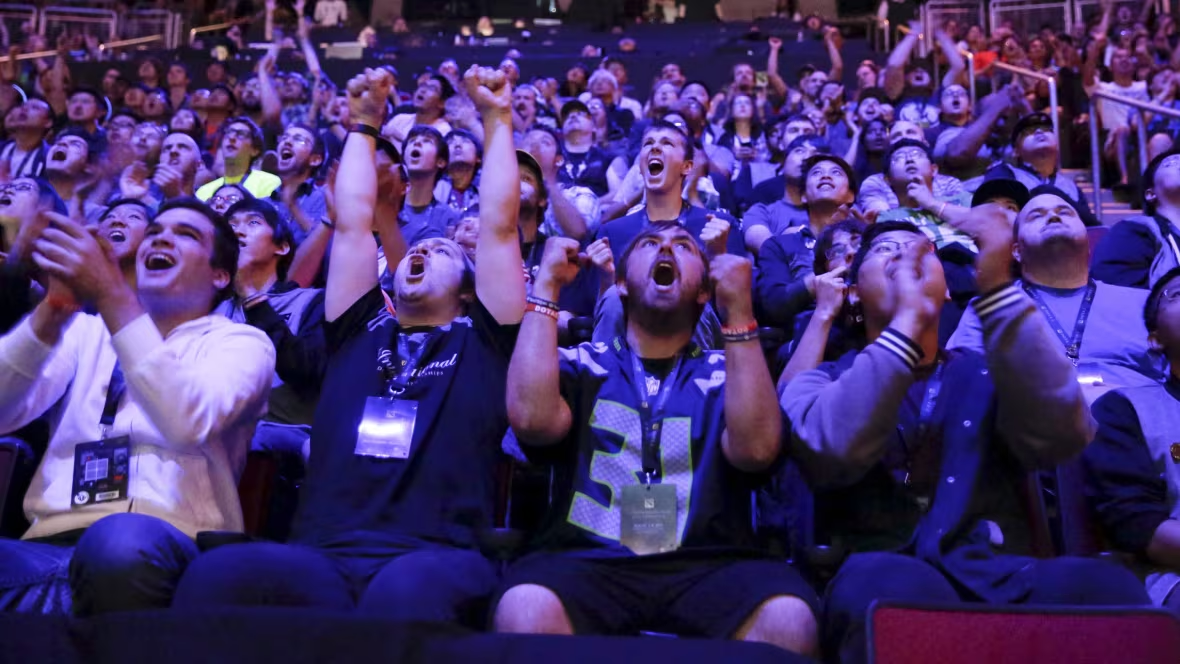
Image Credit : CBC
Tournament organizers may build the structure, but the energy of SEA tournaments comes directly from fans. They shape the culture around the matches, turning simple viewing into a full-blown community experience.
Fans bring the atmosphere to life through:
- Local watch parties in gaming cafés and campuses.
- Cosplay and fan art inspired by favorite heroes.
- Social media activity, with hashtags, memes, and regional commentary.
- Community tournaments, where grassroots players mirror the pros.
This involvement means the SEA tournament calendar doesn’t just unfold—it’s co-created by the people who follow it.
A Calendar That Becomes a Collective Journey
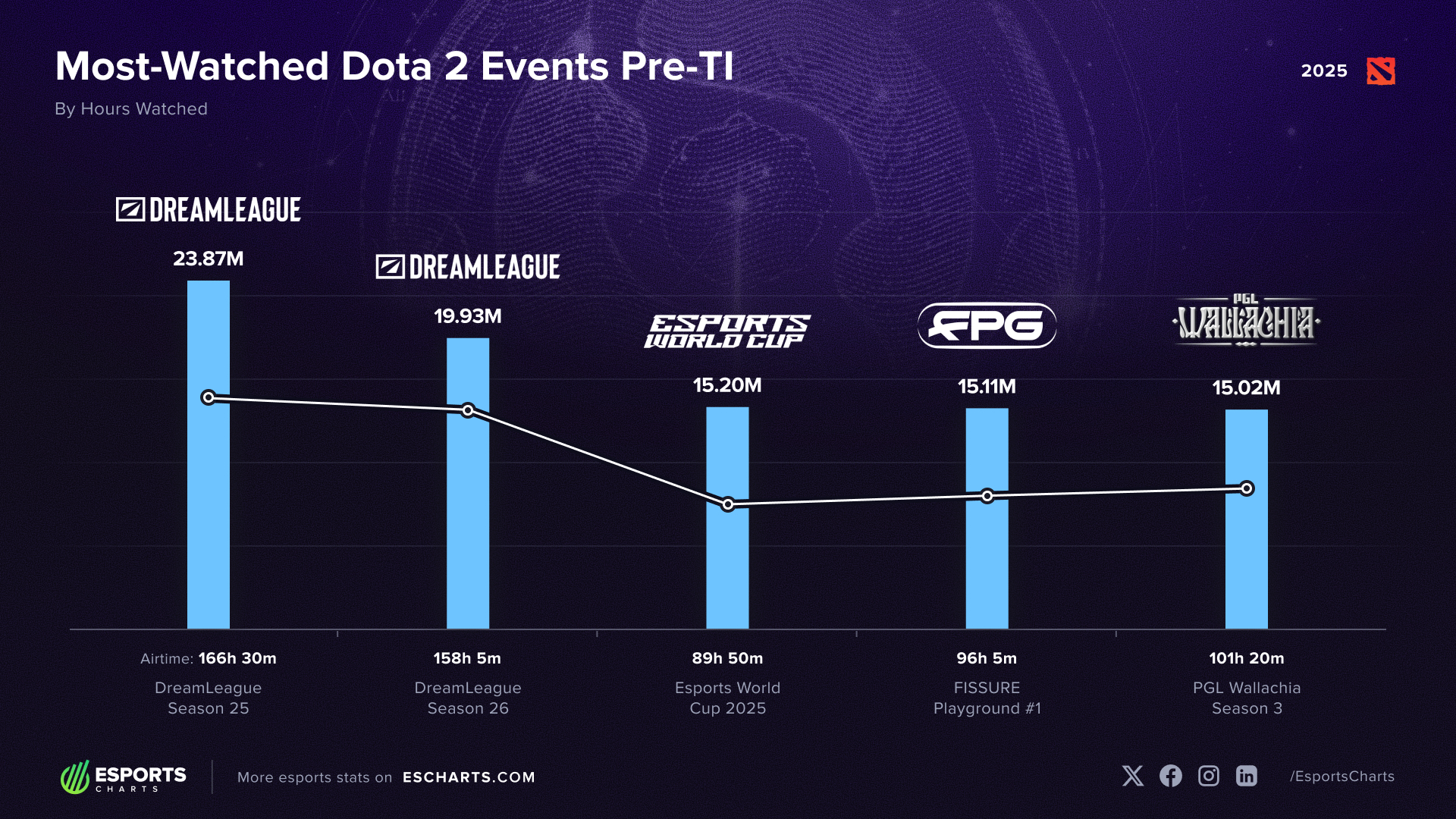
Each step of the Dota 2 SEA tournament 2025 schedule represents more than competitive milestones—it feels like a timeline communities experience together. Fans don’t just watch; they anticipate, celebrate, and reflect as the season moves forward.
- Early months: small leagues and qualifiers set the tone, sparking underdog stories.
- Mid-season: major tournaments like PGL Tours dominate the spotlight.
- Pre-TI period: BLAST Slam stops become regional highlights, bringing together international and SEA talents.
- Year’s end: local and campus competitions round things out, giving grassroots fans their chance.
Each part of the calendar is a chapter, giving communities reasons to rally around both established stars and rising teams.
Lifestyle Rituals Around Tournament Formats

The structure of qualifiers, group stages, and playoffs is familiar worldwide, but in SEA it has become part of lifestyle rituals. Families and friend groups plan around matches, while student dorms and gaming cafés host long watch sessions that turn into mini social gatherings.
Formats often shape fan behavior:
- Qualifiers: excitement over new names earning a breakthrough.
- Group stages: steady streams of matches ideal for binge-watching.
- Playoffs: emotional high points that inspire chants, online debates, and community artwork.
It’s a reminder that formats are more than brackets—they set the rhythm of how people experience esports together.
Pride in Teams and Regional Identity
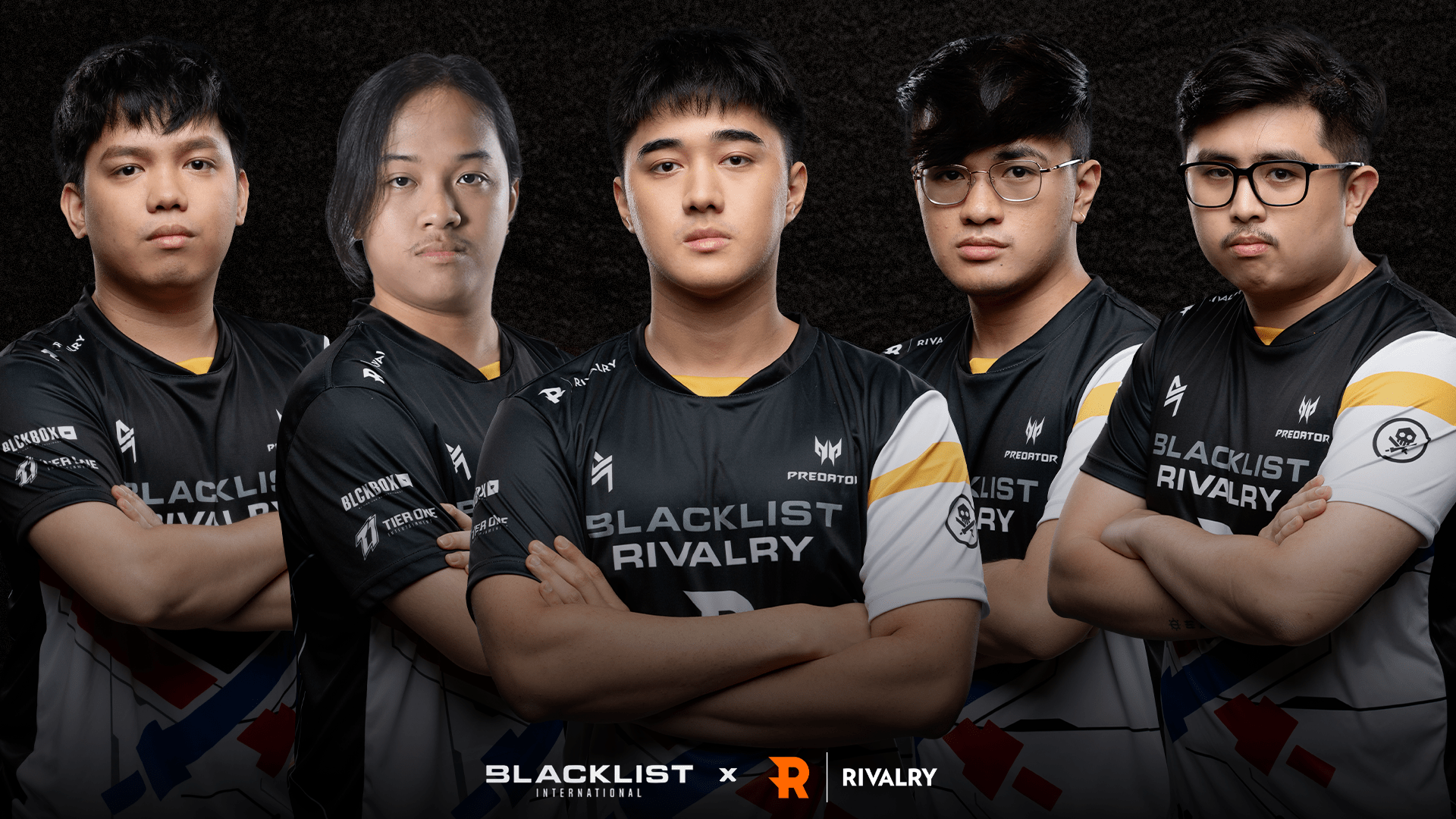
Supporting a team in the SEA tournament isn’t just about cheering for skills—it’s tied to identity and belonging. Organizations like Fnatic, Talon Esports, BOOM Esports, and Blacklist International embody national pride and inspire fan bases that reflect cultural ties as much as competitive performance.
What makes the SEA scene special is the constant evolution. Every year, grassroots squads and university talents rise alongside veteran teams, ensuring the fan community always has fresh heroes to follow. Rivalries carry the weight of regional pride, sparking lively debates that often extend far beyond the matches themselves.
Where Fans Share and Connect
Access to the tournament is part of what makes SEA esports culture thrive. Fans engage through a wide mix of platforms, both official and community-driven.
Popular hubs include:
- Twitch and YouTube for major tournament broadcasts.
- Facebook Gaming and local platforms for grassroots visibility.
- Localized commentary in multiple SEA languages.
- DotaTV for fans who enjoy in-game viewing with a personalized perspective.
These platforms don’t just deliver games—they create spaces for fans to gather, connect, and extend the conversation long after the final play.
Final Reflection – Dota 2 SEA tournament
The Dota 2 SEA tournament 2025 is more than competition—it’s part of how communities in the region express pride, identity, and togetherness. From cafés buzzing with watch parties to fans creating their own art, memes, and commentary, the season embodies esports as lifestyle. The calendar may set the dates, but the culture and passion of Southeast Asia are what make the tournament truly unforgettable.


