

Every offseason brings its share of Fortnite roster swaps, but Fortnite Esports Rostermania 2025 feels more like a revolution than a routine cycle. This year, the competitive scene didn’t just witness new teams forming — it saw organizations rebuilding their philosophies from the ground up. Player transfers following the FNCS Global Championship 2025 weren’t merely about chasing prize money; they reflected a shift toward structure, analytics, and long-term synergy.
From Falcons Esports maintaining their championship-winning formula to Future Talent collapsing after internal tension, every move this year has told a story. Fortnite has matured from its chaotic early years into a refined esports ecosystem — one where decisions are made with a clear, data-driven purpose.
Quick Look
The Great Shuffle – Fortnite Esports Rostermania 2025
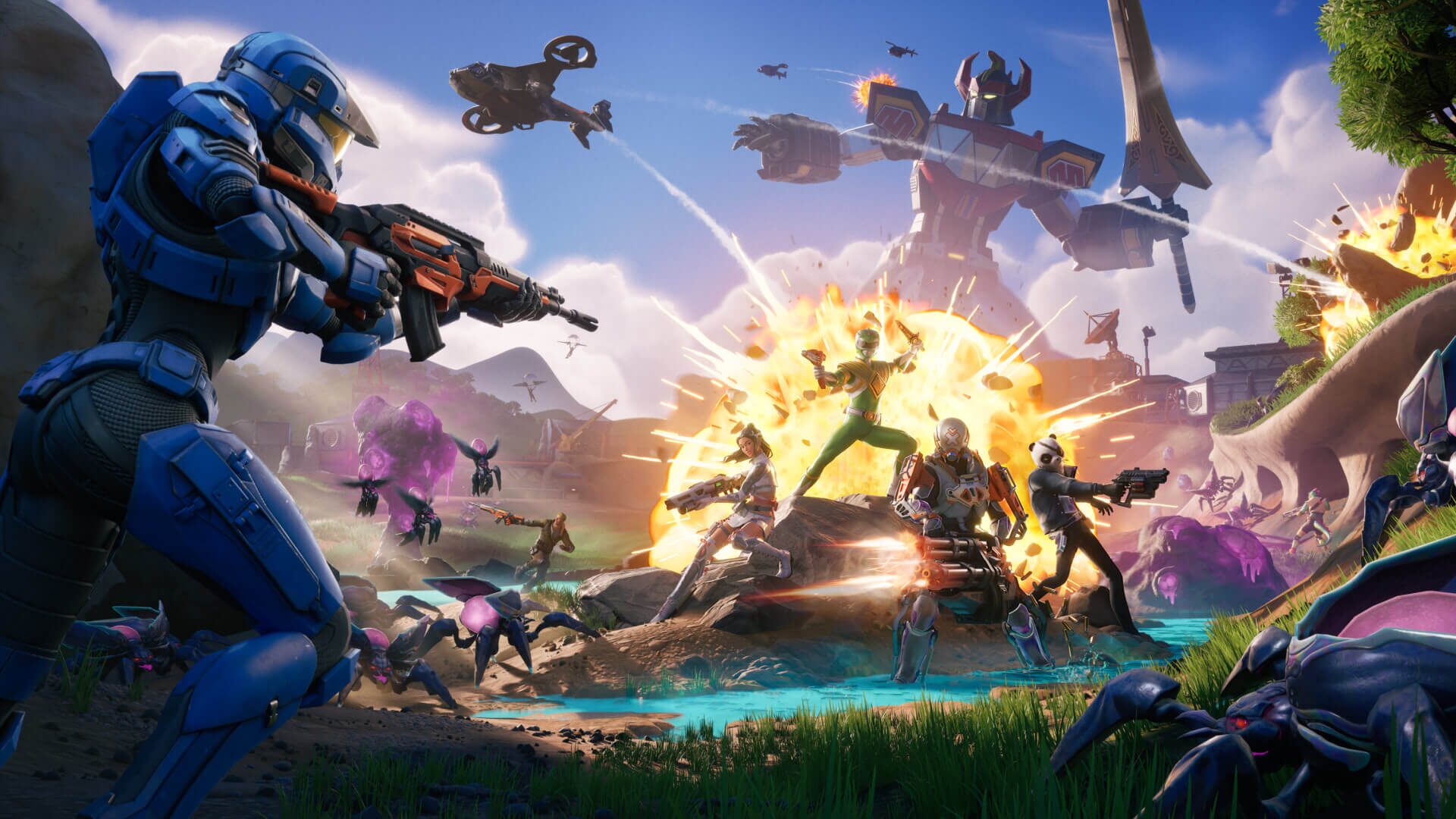
Between January and September 2025, the Fortnite competitive world experienced one of its busiest offseasons yet. Transfers accelerated following FNCS Major 2, peaking after the Global Championship as teams rushed to lock in their dream rosters for 2026. The result? A domino effect of lineup swaps, disbandments, and surprise reunions across regions.
Let’s take a look at some of the most impactful roster changes shaping the scene:
| Organization | Incoming Players | Departures | Key Note |
|---|---|---|---|
| Future Talent | — (Disbanded) | Ark, Zelo, Layla | Core players moved to Sorin Esports and Mystik HQ |
| RVL Esport | Neo, Jax | Sxhool, Tora | Shifting to a European core with SEA support staff |
| 2AM Esports | Salko, Curve | Danny1x | Strengthening its North American lineup |
| Falcons Esports | No major change | — | Prioritizing synergy and mental conditioning over transfers |
The Future Talent disbandment in July was arguably the biggest shock of the year. Despite promising FNCS placements, the team’s chemistry crumbled amid leadership disputes. Meanwhile, 2AM Esports and RVL took calculated risks, investing in emerging talents from smaller regions. Falcons, however, continued their reign of composure — a rare constant in an otherwise turbulent year.
Teams in Transition – Fortnite Esports Rostermania 2025
While fans often focus on the “who joined who” drama, what’s more intriguing this year is how organizations are managing transitions. RVL Esport, for instance, has restructured its entire support ecosystem — hiring regional analysts from Southeast Asia to create hybrid data strategies.
2AM Esports followed a similar playbook, expanding into mixed-region rosters to gain flexibility in scrims and regional tournaments. On the other hand, Future Talent’s collapse serves as a reminder that talent alone doesn’t guarantee longevity. Internal dynamics, scheduling conflicts, and creative disagreements were among the cited reasons behind their fall.
Falcons Esports, the anomaly, continues to dominate without drastic changes. Their approach — emphasizing consistent practice environments, analytical coaching, and player wellness — demonstrates that in Fortnite’s modern era, stability can be just as powerful as innovation.
Regional Power Dynamics – Fortnite Esports Rostermania 2025

If 2024 was Europe’s year, 2025 may belong to the Southeast Asian (SEA) resurgence. Once considered a developing region, SEA’s players are now transferring into larger organizations and even coaching positions abroad. Players like Danny1x and Zelo found new homes in globally backed teams, bridging gaps between regions and strengthening international collaboration.
Meanwhile, North America Central and West remain the epicenters of player movement, particularly as prize pools and sponsorships stabilize. The competitive environment there encourages experimentation — teams form and dissolve quickly, creating opportunities for rising stars from Mexico, Canada, and beyond.
The cultural crossover is real too: SEA players are now scrimming against NA-based teams, bringing faster pacing and creative strategies to the global meta. This inter-regional exchange has not only expanded Fortnite’s talent pool but also created rivalries that will likely shape FNCS 2026.
Shifting Mindsets

One of the strongest undercurrents of Fortnite Esports Rostermania 2025 is the rise of professionalism across organizations. Gone are the days of impulsive lineup swaps — today’s teams are signing structured contracts, establishing mental health programs, and using performance data to justify roster decisions.
Examples of this shift include:
- Sorin Esports introducing a full-time performance coach and data analyst.
- Mystik HQ partnering with universities to run stress management sessions for players.
- Falcons Esports investing in AI-based review tools that evaluate rotation timing and communication efficiency.
These moves show that esports, much like traditional sports, is embracing the value of mental and emotional durability. The most successful players in 2025 aren’t necessarily the fastest builders — they’re the ones who can reset mentally after a setback and adapt mid-match.
Conclusion: Rostermania’s True Legacy — Evolution Over Explosion
When the dust settles, Fortnite Esports Rostermania 2025 will be remembered not just for its chaos, but for its clarity. Every major transfer this year reflected the same truth — that the competitive scene is no longer about spontaneous hype, but sustainable success.
From the disbandment of once-great teams like Future Talent to the calculated composure of Falcons Esports, the lesson is clear: Fortnite is entering a new age where strategy outweighs showmanship. The offseason drama may fade, but its impact will echo deep into the FNCS 2026 cycle, shaping superteams and redefining what it means to compete at the highest level.
Rostermania 2025 may have closed, but the foundation it built ensures one thing — Fortnite’s next chapter will be more professional, global, and unpredictable than ever before.


