SEA Dota2 Player Interviews :The Southeast Asian Dota 2 scene has always been a melting pot of passion, creativity, and unfiltered honesty. In recent months, a wave of interviews has given fans a deeper look into the personalities that power the game — from veterans like Mushi and Kpii to the younger faces rising through the ranks. These conversations go beyond mere gameplay; they explore burnout, camaraderie, the hunger to win, and the cultural roots that make SEA stand apart. Through their voices, fans get to see not just the heroes on-screen, but the humans behind the handles — resilient, expressive, and relentlessly competitive.
Quick Look
Mushi’s Reflection – SEA Dota2 Player Interviews
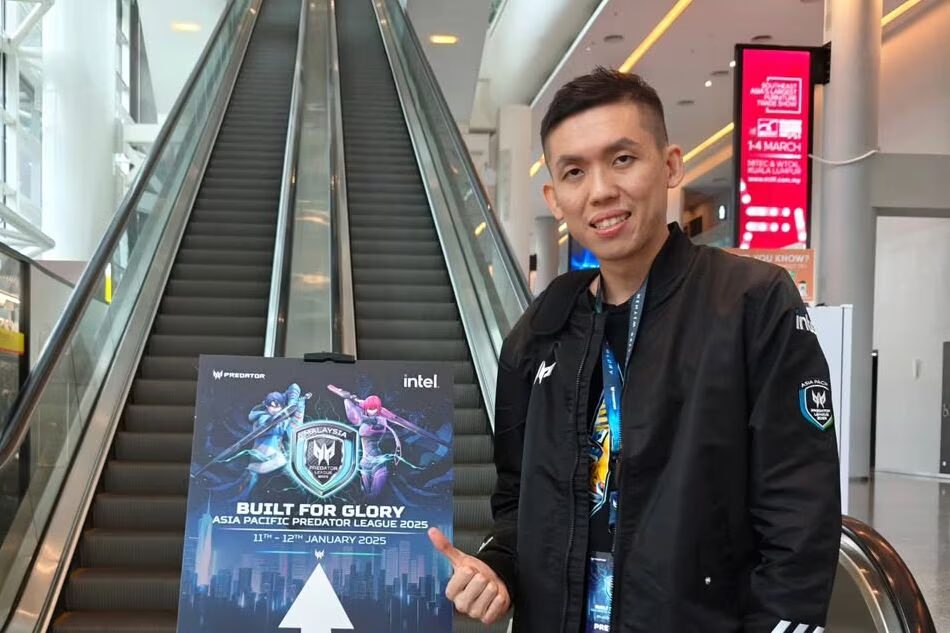
No conversation about SEA Dota 2 feels complete without mentioning Chai “Mushi” Yee Fung — a name synonymous with legacy and leadership. In his latest sit-down, Mushi opened up about how SEA’s competitive structure has changed over the years, from the glory days of Orange Esports to the current, franchise-dominated landscape. He spoke candidly about adapting to younger teammates, understanding mental well-being, and finding purpose after years of grinding through international circuits. His message was clear — experience alone isn’t enough; it’s about staying relevant, humble, and hungry to learn. That mindset continues to influence SEA’s new generation, who still see Mushi as both mentor and motivator.
New Blood Rising
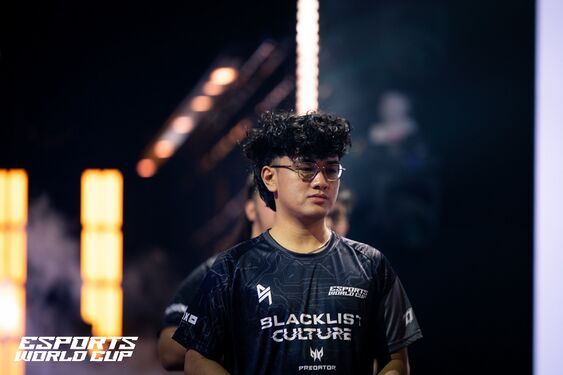
Players like Kim “Gabbi” Santos and Damien “Kpii” Chok represent the changing of the guard in SEA. Their interviews shed light on the evolving balance between individual flair and team synergy — a theme deeply rooted in the region’s playstyle. Gabbi, known for his emotional energy, shared how he channels frustration into drive, while Kpii discussed learning from setbacks and the importance of staying adaptable amid constant meta shifts. These players also voiced admiration for rising stars from countries like Indonesia, Myanmar, and the Philippines, emphasizing how new talents are pushing the scene forward. Their reflections show that while SEA Dota 2 still carries that unpredictable spark, it’s also maturing tactically and emotionally.
The Spirit of Rivalry and Respect

SEA’s Dota 2 culture thrives on competition — but beneath the fierce rivalries lies a foundation of mutual respect. Interviews with regional veterans reveal how long-standing rivalries, such as those between Fnatic and Execration or BOOM Esports and Talon, have helped sharpen everyone’s skills. As Mushi once put it, “SEA teams push each other to be better because nobody wants to lose to their neighbor.” This shared hunger has led to countless memorable clashes, and despite internal roster changes, many players admit they owe their best moments to local competition. The region’s intensity isn’t just about bragging rights; it’s a cycle of continuous improvement that fuels international ambitions.
Lessons Beyond the Game – SEA Dota2 Player Interviews
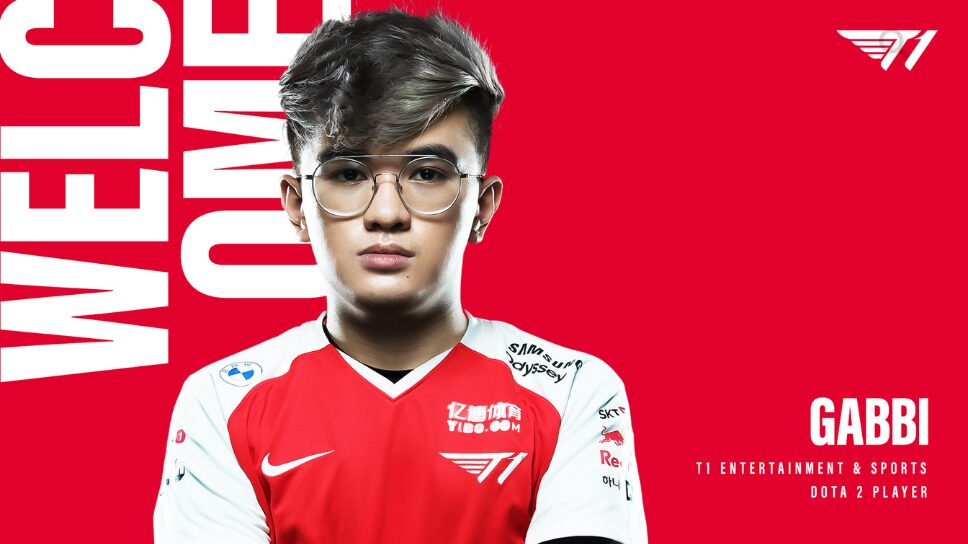
Beyond draft picks and map control, these interviews highlight the personal growth that Dota 2 has brought to its SEA players. Many reflected on the struggles of balancing mental health, managing public criticism, and navigating unstable team dynamics. For instance, Gabbi’s candid talk about handling pressure during The International qualifiers resonated with fans who’ve watched his journey from prodigy to seasoned veteran. Mushi’s advice to newer players — to find fulfillment in the journey rather than just the victory — struck a chord across the community. Such stories humanize esports in ways that statistics and match summaries never could, turning these interviews into snapshots of real perseverance.
Looking Ahead: SEA’s Legacy in Motion – SEA Dota2 Player Interviews
If one theme ties all these SEA Dota 2 player interviews together, it’s that the region’s story is still being written. Veterans are mentoring, rookies are rising, and fans are more engaged than ever before. From emotional anecdotes to humorous moments, these conversations capture the heartbeat of SEA Dota — a blend of humility, grit, and passion that continues to captivate the global stage. As the competitive calendar marches toward another season of international qualifiers and major tournaments, one thing remains constant: SEA’s players will keep speaking their truth, both in and out of the game, proving that the region’s voice is louder and more united than ever.