

The Fortnite World Cup 2025 qualifiers are not just another checkpoint in Epic Games’ yearly calendar; they are a cultural test for the competitive Fortnite ecosystem. Every qualifier stage acts as a litmus test, measuring not only which players are skilled enough to compete at the finals but also how healthy the competitive scene is overall. In many ways, the qualifiers serve as Fortnite’s answer to questions about accessibility, integrity, and whether the game can still produce esports stories that resonate globally.
This isn’t just about finding the best players. It’s about proving whether Fortnite can remain relevant in an increasingly crowded esports environment, where titles like Apex Legends and Valorant are pushing their own narratives.
Why the Dates Matter Beyond Scheduling

The schedule for the qualifiers will stretch across several weeks, with open registration leading into intense regional competitions, semifinals, and final cutoffs. While on paper this looks like a standard timeline, the reality is more layered. Each stage of the schedule impacts preparation time for pros, creates opportunities for newcomers, and ultimately influences how fresh the final World Cup lineup feels.
For example:
- Registration periods test Epic’s ability to handle mass sign-ups smoothly.
- Regional qualifiers determine whether new talent from Asia, South America, or the Middle East can break into what’s often a NA/EU-heavy finals.
- Semifinals and cutoffs often create emotional moments where established pros either cement their dominance or fall to rising stars.
The timeline, then, isn’t just a logistical detail—it’s a design choice that affects competitive parity and storylines.
The Format Debate: Accessibility vs. Elitism

One of the recurring discussions in the Fortnite community surrounds the format of the qualifiers. On one side, the open nature is celebrated for giving any player—whether they grind daily scrims or just broke into the competitive scene—a legitimate chance at making the finals. On the other hand, critics argue that the points system and elimination-heavy scoring sometimes reward risky playstyles over consistent strategy.
The regional structure also raises debates. Players locked into specific servers face varying ping disadvantages, which could limit how much true “global parity” the tournament provides. Yet, without regional locks, high-ping abuse would distort the competition entirely.
This push-and-pull between accessibility and competitive integrity is what makes Fortnite unique compared to other esports. It feels open and grassroots, yet professional enough to stand alongside FNCS and other premier circuits.
Registration and Eligibility: Barriers That Shape the Field
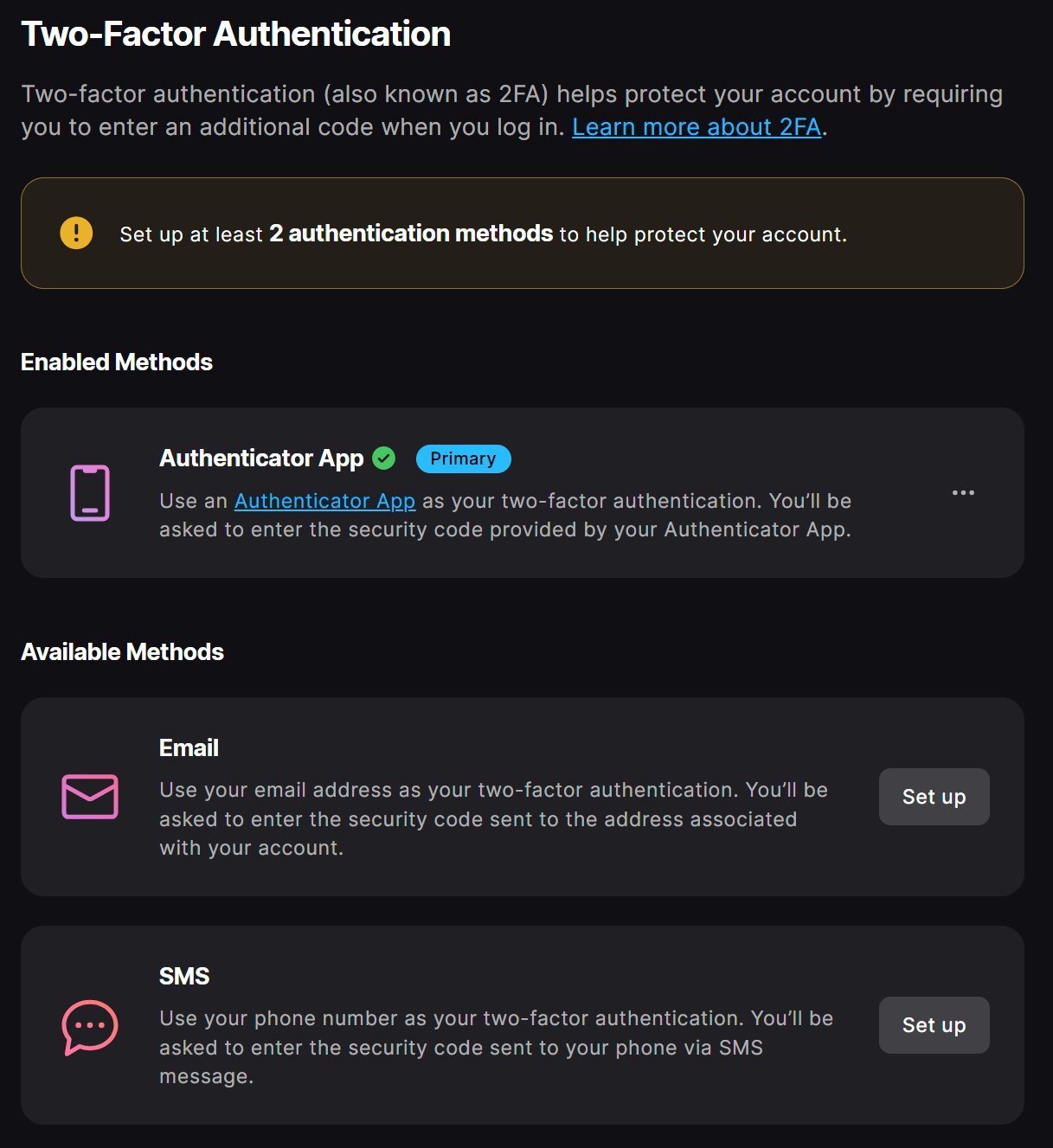
Image Credit: Epic Games
At first glance, the registration process looks simple: log in through your Epic Games account, enable 2FA, and sign up through the in-game Compete Tab. But the small print matters. Age restrictions (minimum 13, with parental approval for minors) cut out younger audiences, while the regional lock system ensures players compete only in their home territory.
The editorial question here is whether these barriers actually help or hinder the competitive scene. Do they protect the integrity of the event, or do they limit opportunities for talented players who may face technical or geographic disadvantages? The reality is that both are true: the rules keep the field fair but inevitably leave some players behind.
What the Rules Tell Us About Fortnite’s Competitive Future
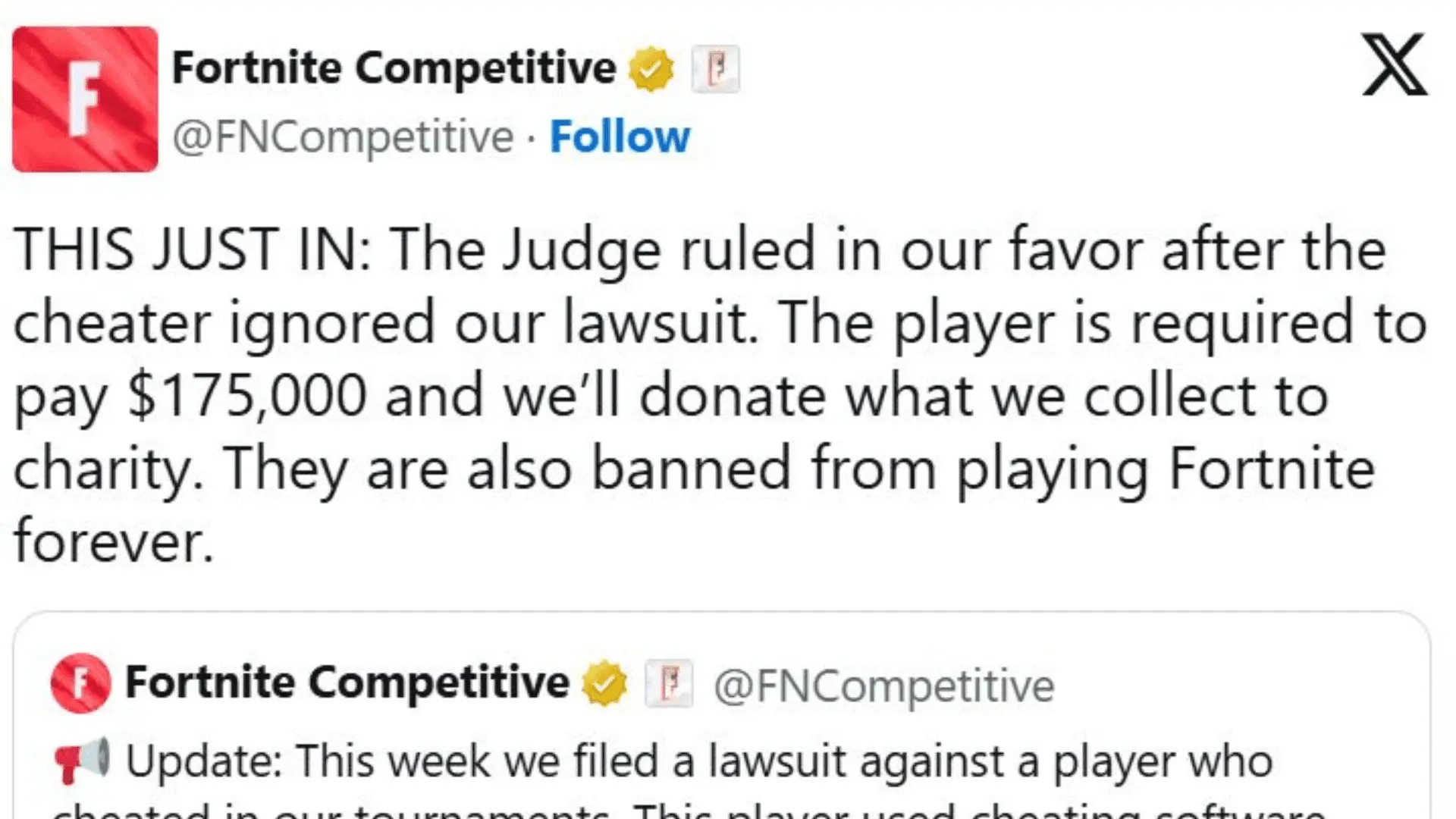
Epic’s strict enforcement of fair play policies signals that the company wants the World Cup to be seen as a legitimate esports event, not just a high-stakes casual tournament. Anti-cheat tools, code of conduct standards, and region-based matchmaking all serve to professionalize the competition.
Still, questions remain about consistency. Past seasons have shown that enforcement can sometimes feel uneven, and high-profile bans or disqualifications often spark debate within the community. From an editorial perspective, the rules highlight Epic’s ongoing struggle: how to balance grassroots accessibility with the credibility of a professional esports ecosystem.
The Prize Pool and the Pressure It Creates – Fortnite World Cup 2025
One cannot discuss the Fortnite World Cup without addressing its prize pool. Historically among the largest in esports, the expectation for 2025 is no different. Multi-million-dollar payouts will once again make headlines, and that scale of reward inevitably shapes the qualifiers themselves.
For players, the stakes are not just competitive glory but also life-changing earnings. That pressure influences preparation, as pros invest in better hardware, boot camps, and coaching staff, while amateurs often feel overwhelmed trying to keep pace. The editorial point here is simple: the size of Fortnite’s prize pool elevates it to cultural relevance, but it also highlights the gap between grassroots hopefuls and well-resourced organizations.
Why Fans Should Care About the Qualifiers – Fortnite World Cup 2025
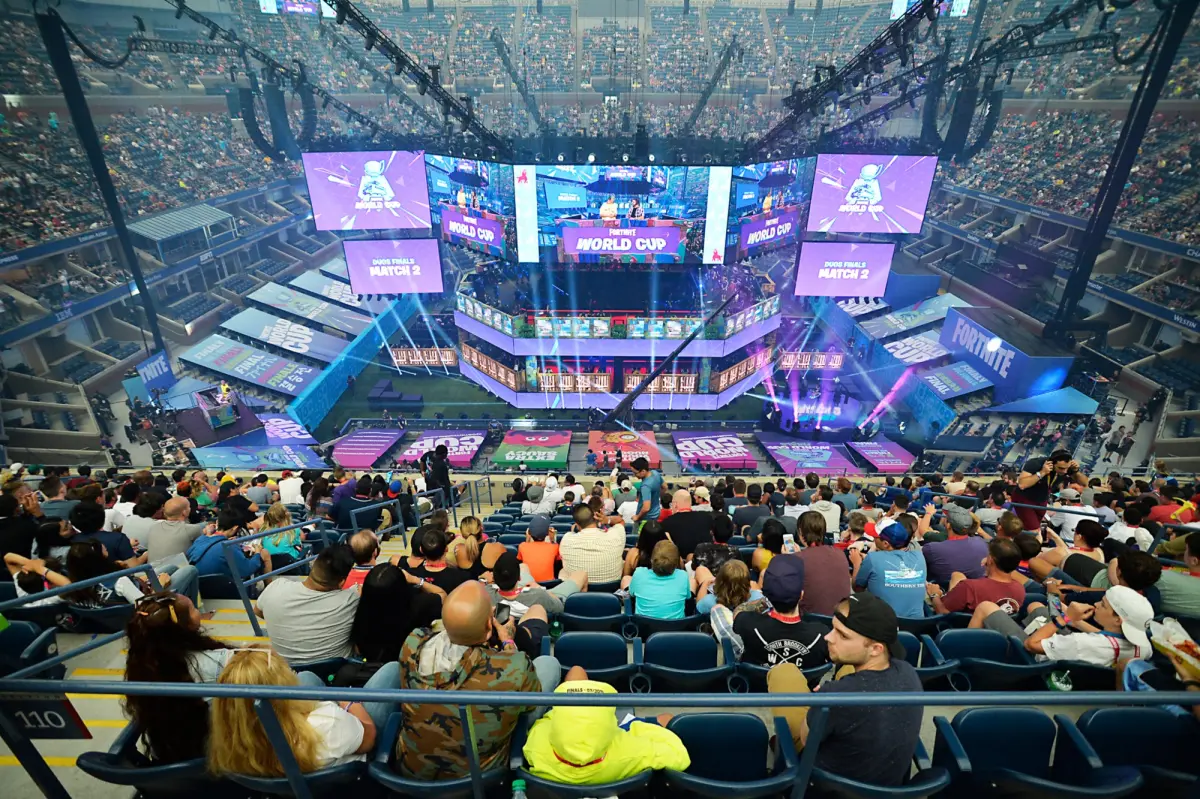
For fans, the qualifiers aren’t just preliminary rounds—they are where the drama begins. Watching a relatively unknown player from Brazil or Asia emerge through the ranks creates storylines that the finals alone could never deliver. The qualifiers are also where fans see the first hints of new strategies, meta shifts, and standout personalities that will define the finals later in the year.
The editorial view is that the qualifiers embody the soul of Fortnite esports. While finals crown champions, it’s the qualifiers that keep the dream alive—that anyone, anywhere, could step into the spotlight.
Closing Thoughts – Fortnite World Cup 2025
The Fortnite World Cup 2025 qualifiers represent more than just the path to a massive tournament—they reflect the ongoing tension between accessibility and professionalism, open competition and structured integrity, grassroots dreams and esports infrastructure. They test not only players but also Epic Games’ ability to manage a truly global competitive ecosystem.
If anything, this year’s qualifiers will serve as a mirror. They will show whether Fortnite can continue balancing its dual identity as both a community-driven battle royale and a polished global esport. And for players and fans alike, that balancing act might be the most compelling storyline of all.


