Grand Theft Auto VI is completely reworking how heists function. Gone are the scripted, menu-driven missions of GTA V. In their place is a dynamic system where planning, execution, and consequences evolve based on your choices. The GTA 6 heist strategy guide is not about memorizing one perfect path—it’s about adapting to a living world that remembers your successes and failures.
Here is how to master the new heist system with Lucia and Jason.
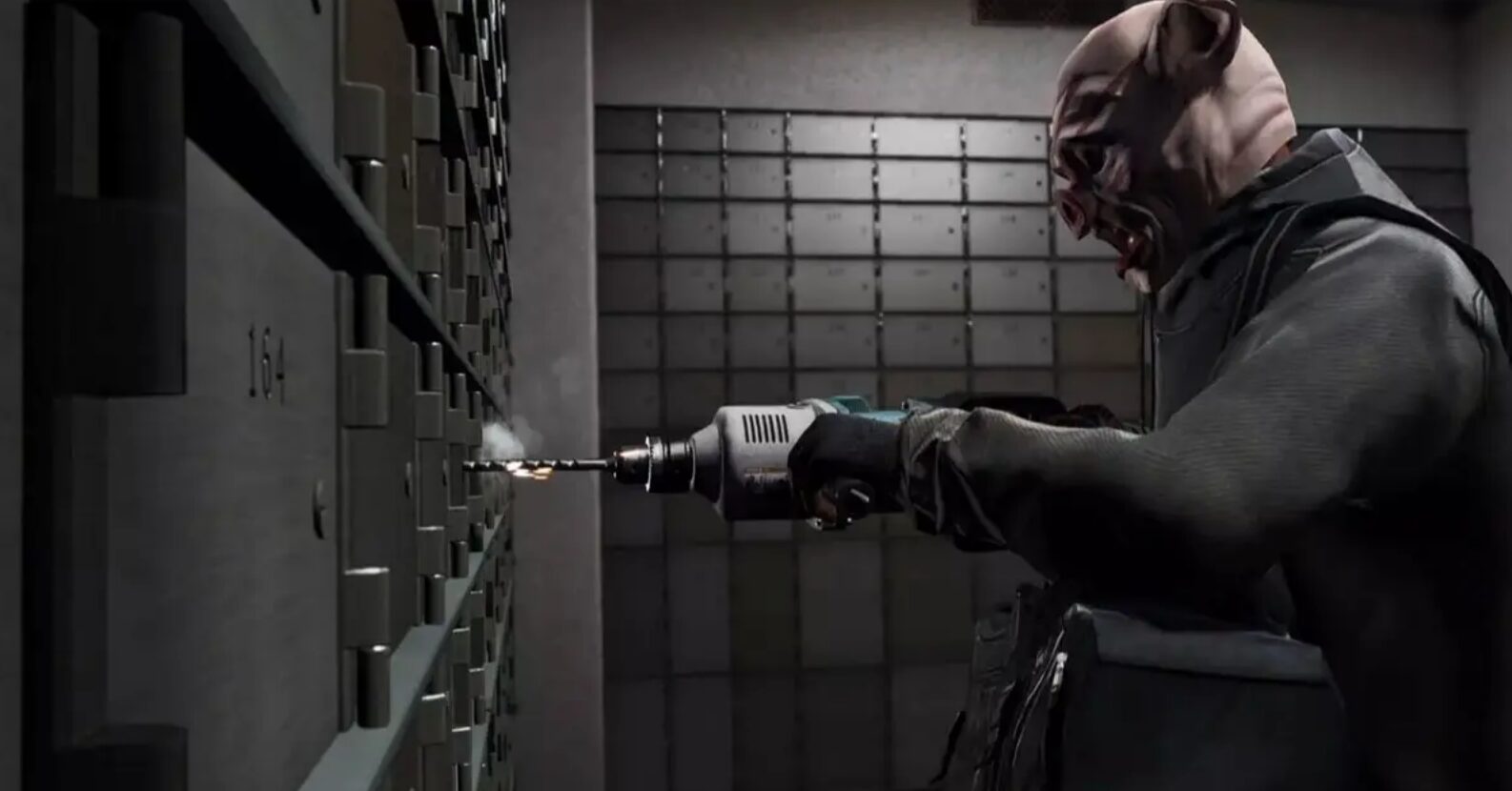
The Dynamic Planning Phase
In GTA V, heist planning meant selecting Option A or Option B from a menu. In GTA VI, planning is a physical activity. You must scout locations, photograph security weaknesses, and acquire equipment through side missions before you can even attempt a job.
Scouting requires patience. Drive past the target location at different times of day to understand guard rotations, security camera blind spots, and escape routes. Use Jason’s camera to document entry points and note which areas are vulnerable.
Crew recruitment is now meaningful. The best hackers cost more but disable alarms faster. The cheapest drivers might crash under pressure. Your reputation in the underworld determines who will work with you. Fail a job, and skilled crew members may refuse future contracts.
Lucia vs Jason: Different Roles
Lucia and Jason bring different skills to heists, and choosing who handles which phase affects outcomes . The system reportedly encourages switching between characters mid-heist, similar to GTA V’s system but with deeper consequences.
Lucia excels at infiltration and deception. Her background (hinted at in the first trailer) makes her better at social engineering—talking her way past security, blending into crowds, and gathering intel without raising suspicion. Use Lucia for scouting and for stealth approaches.
Jason is better suited for combat and driving. His skills come into play during the execution phase—handling alarms, fighting through security, and commanding the escape vehicle. Use Jason for loud approaches and when things go wrong.
Here is the breakdown of heist strategy fundamentals:
| The 2026 Betting Line | Predicted Quality | Risk Factor | Market Sentiment |
|---|---|---|---|
| Dynamic Planning System | 9.5 / 10 | Low (proven in RDR2) | High Confidence |
| Crew Management Depth | 8.8 / 10 | Moderate (untested system) | Cautious Optimism |
| Heat & Consequence System | 9.2 / 10 | Low (Rockstar expertise) | Solid Expectation |
| Open-World Escape Phase | 8.5 / 10 | Moderate (police AI unknown) | Curious / Hopeful |
| Permanent Crew Deaths | 7.8 / 10 | High (player attachment) | Mixed / Worried |
Heat Management and Consequences
Every heist leaves traces. The new heat system tracks your criminal visibility . Leave witnesses, and their descriptions circulate. Use the same vehicle in multiple jobs, and police recognize it. Wear the same outfit, and security footage becomes evidence.
Managing heat requires rotation. Change your vehicle between jobs. Wear different clothing. Switch safehouses. If heat gets too high in one district, lay low in another. The world reacts, and ignoring heat makes future jobs exponentially harder.
Witness memory is also a factor. Civilians who see your face can later identify you. Wearing masks matters. The game reportedly tracks how well you conceal your identity. A perfect job where no one sees your face leaves no trail.
The Escape Phase
Escaping a heist is now an open-world chase rather than a scripted path . The escape phase uses the game’s full map. Police roadblocks appear dynamically based on your direction. Helicopters track you. Your choices matter.
Have multiple escape vehicles staged at different locations. A fast car might outrun police but attracts attention. A truck might blend in but is slower. A boat escape requires reaching the waterfront. Plan your exit before you plan your entry.
Safehouses matter. If you drive directly to your primary safehouse, police may discover it and stake it out, making it unusable for days. Instead, have secondary safehouses for cooling off after jobs.
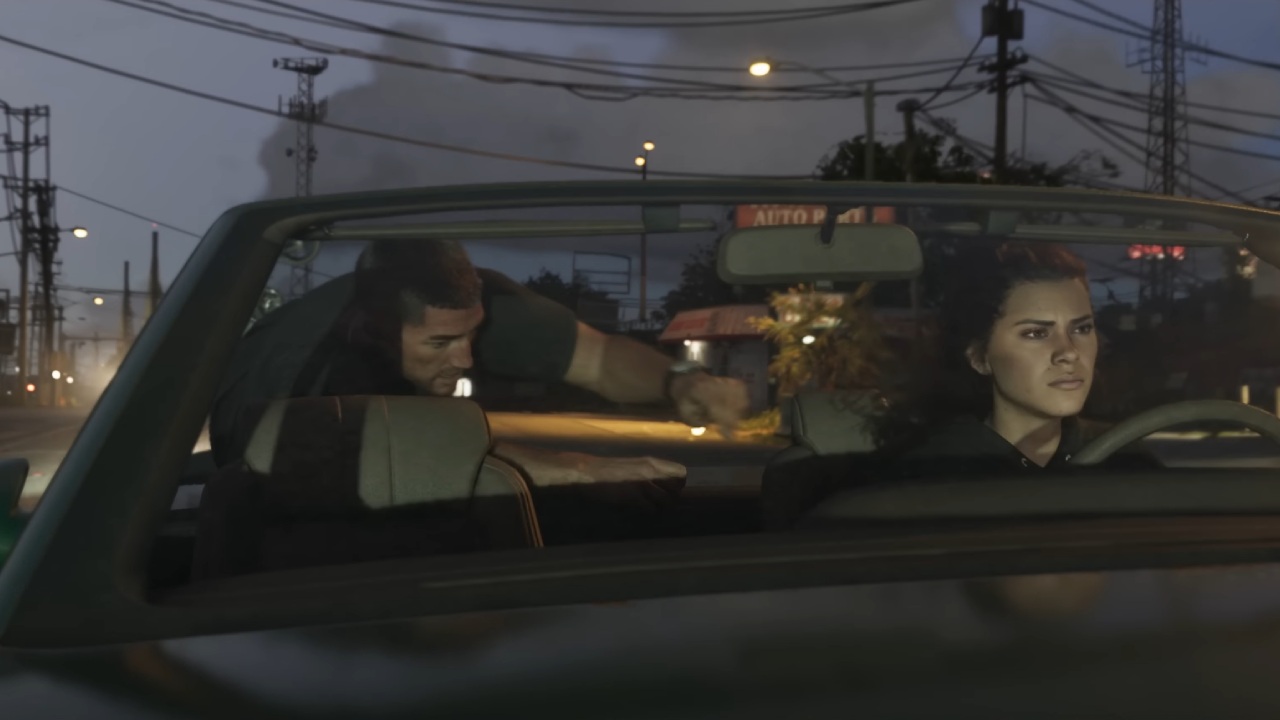
Crew Management
Your crew isn’t just a stat. Each member has personality and skills that affect the job . The demo specialist might be slow but thorough. The hacker might be fast but noisy. The driver might be reliable under pressure or prone to panic.
Invest in your crew. Running smaller jobs with specific members builds their experience. A hacker who’s done three jobs with you becomes more efficient. A driver who’s survived multiple chases learns the city better. Loyal crew members also take smaller cuts .
Losing crew members has permanent consequences. If a crew member dies, they’re gone. Their replacement will have different skills and require training. The game reportedly tracks funeral costs and payments to families, affecting your overall finances and reputation.
The Risk-Reward Calculator
Every heist offers choices that affect payout and risk . More guards mean more security but more loot. Different times of day change visibility. Certain approaches yield higher rewards but higher heat.
The game’s reputation system affects job offers. Successfully pulling off difficult jobs attracts bigger contracts. Failed jobs make it harder to find work. The most lucrative scores come from underworld contacts who only deal with proven crews.
Balancing risk and reward is the core strategic loop. Taking on jobs beyond your crew’s skill level can end careers. Playing too safe limits growth. Finding the sweet spot—jobs that challenge your crew without overwhelming them—is the path to becoming a criminal legend.