

Jimmy Butler injury return : Sometimes, the most revealing moments in a season don’t come from buzzer-beaters or heated confrontations. They come from silence — the quiet seconds when everyone realises something isn’t right. For Australian fans tuning in to the Warriors–Thunder broadcast, that moment arrived the instant Jimmy Butler walked back to the locker room.
It wasn’t dramatic. It wasn’t loud. But the way teammates glanced over, the way the bench shifted, the way the atmosphere tightened — it all said more than a highlight reel ever could. Butler isn’t new to pain, nor is he unfamiliar with pushing through discomfort. His reputation has been built on showing up when others wouldn’t. But on this night, his body told a different story, and Golden State felt it immediately.
JIMMY BUTLER INJURY RETURN — THE HUMAN TIMELINE BEHIND THE HEADLINES
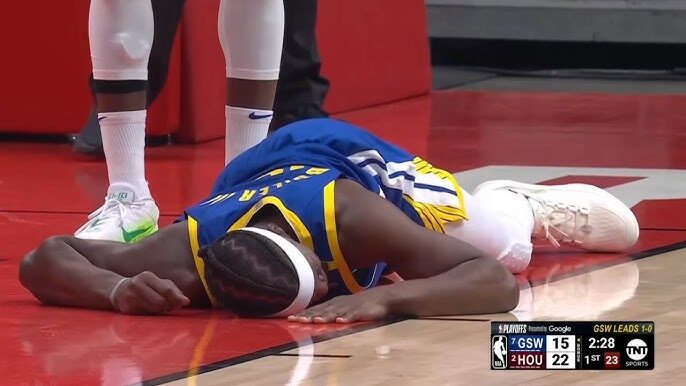
Butler’s story began a game earlier against the Pelicans, where a brutal fall left him clutching his side. Yet even then, he carried on — not because he was pain-free, but because that’s the way he’s always approached competition. The team later identified a left gluteal contusion, and while the report was clinical, the reality was anything but.
When he was cleared moments before tip-off against Oklahoma City, it was the kind of decision competitive players make all the time — trusting adrenaline, experience, and determination to override discomfort. But mid-second quarter, after losing his shoe on a drive and stumbling awkwardly, Butler’s expression shifted. Not frustration. Not anger. Something closer to understanding: the realisation that this time, pushing through might not be the answer.
He went to the locker room. He came back. He tried. But he didn’t return to the floor for the second half. The knee soreness that eventually ruled him out was the visible part of a deeper chain reaction.
Jimmy Butler Injury Timeline – Personal Moments
| Moment | Human Reality |
|---|---|
| Pelicans fall | Played through real pain to finish the game |
| Pre-game clearance | Chose to trust his competitive nature |
| Shoe-loss stumble | The first moment he couldn’t hide discomfort |
| Halftime decision | Accepted that his body needed to stop |
Behind the stats and reports was a player wrestling with the instinct to fight versus the wisdom to step away.
HOW HIS ABSENCE AFFECTED THE LOCKER ROOM — AND WHY HIS PRESENCE MEANS MORE THAN NUMBERS
Jimmy Butler’s value isn’t measured purely in box scores. It’s seen in moments — the conversations he has with young teammates, the tone he sets during film sessions, the way he anchors the emotional energy of the group. When he’s on the floor, Golden State play with a certain steadiness. When he speaks, the room listens. That’s not a cliché — it’s a dynamic that teammates openly reference.
So when Butler didn’t emerge for the second half, the change wasn’t just tactical. It was personal. Players like Brandin Podziemski and Moses Moody — both still carving out their confidence — suddenly had to fill roles Butler normally absorbs. Jonathan Kuminga, whose game thrives on energy and rhythm, had to become a primary scorer on the fly. Andrew Wiggins shifted into heavier wing defense, a role he hasn’t consistently held since his peak years.
And then there was Draymond Green. The emotional axis of the Warriors, trying to carry leadership for two, not one. His communication spiked. His urgency climbed. But even he couldn’t replicate Butler’s calm under pressure — the kind of emotional ballast that only certain veterans provide.
THE THUNDER GAME THROUGH A HUMAN LENS — NOT JUST A LOSS, BUT A VOID
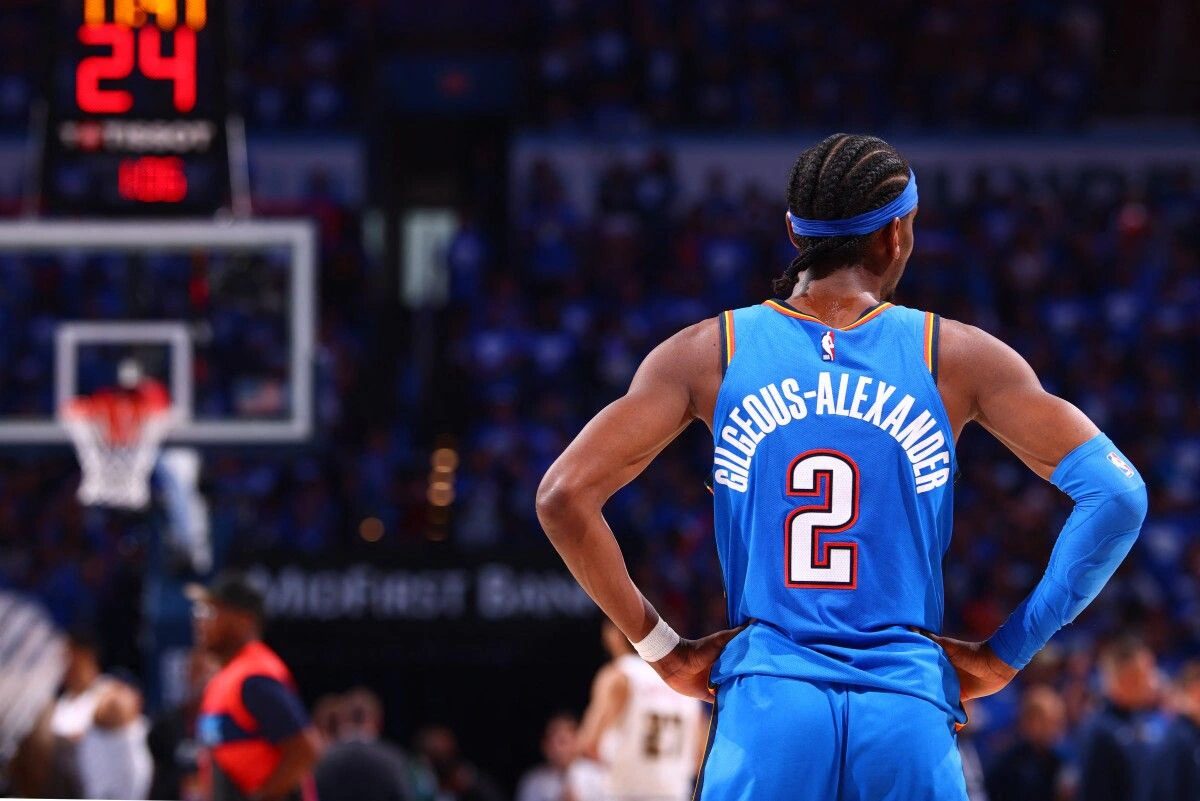
What Oklahoma City did next wasn’t ruthless — it was instinctive for a young, confident group. They sensed Golden State leaning, and they leaned harder.
Shai Gilgeous-Alexander played like someone who understood the moment. Not because Butler was out, but because he saw the Warriors emotionally recalibrating. Jalen Williams pushed the pace, Chet Holmgren stretched the floor, and OKC’s collective energy overwhelmed a Golden State team suddenly playing without its emotional compass.
But look closely and you could see the Warriors’ humanity in the response:
- Podziemski pushing himself beyond fatigue
- Kuminga trying to energise the group with physical drives
- Wiggins searching for identity within new responsibilities
- Draymond directing, shouting, guiding — almost constantly
This wasn’t just a team losing a game. It was a team trying to reassemble itself emotionally on the fly.
WHAT AUSTRALIAN FANS SHOULD WATCH NEXT — BEYOND MEDICAL UPDATES, THE HUMAN RETURN
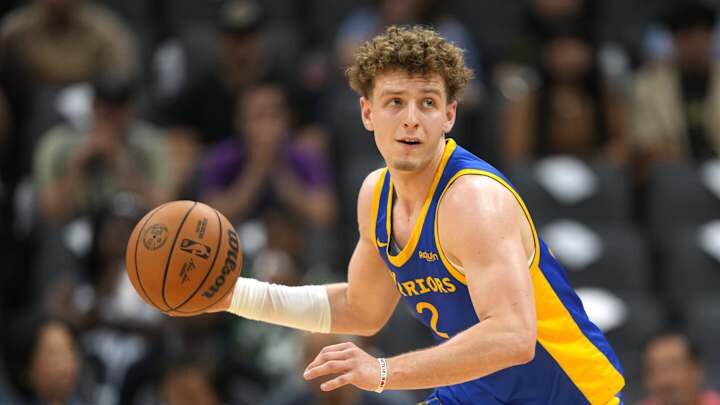
The phrase “Jimmy Butler injury return” will dominate headlines this week, but for a human-interest lens, the real story is how he returns — physically, emotionally, and in leadership presence.
For fans across Sydney, Melbourne, Brisbane and beyond, here’s what matters more than the injury report:
- Whether Butler regains confidence in his lateral movement
- How quickly he resumes mentoring younger players during timeouts
- Whether Wiggins adapts to the heavier defensive load
- How Podziemski handles being thrust into early leadership moments
- Whether Kuminga stays aggressive or retreats when the spotlight brightens
- How Seth Curry’s arrival helps ease the emotional pressure on everyone else
Golden State don’t just need Butler the scorer — they need Butler the identity-setter.
CONCLUSION — BUTLER’S RETURN ISN’T JUST ABOUT HEALTH, IT’S ABOUT HEART
Jimmy Butler’s injury wasn’t a storyline written in stats. It was written in expressions, reactions, and the quiet shifts that happen when a team temporarily loses its emotional centre. His absence changed the tone, the rhythm, and the belief of the group — not because they lack talent, but because Butler fills spaces that never appear on a scoreboard.
For Australian fans tracking every detail of the Jimmy Butler injury return, the significance goes far deeper than availability updates. When Butler comes back, Golden State regain not just a player — they regain balance, voice, and direction.
He is the compass of this roster.
And the Warriors will look like themselves again only when he’s back pointing the way.


