F1 Rookie’s Brazil Misfortune – Gabriel Bortoleto entered the São Paulo Grand Prix carrying the hopes of Brazilian fans eager to see a local talent return to Formula 1 after nearly a decade. The 20-year-old Sauber rookie faced intense pressure, both from his ambitions and the expectations of home supporters.
This guide explains how a promising weekend turned into a challenging experience. The F1 rookie’s Brazil misfortune is a case study in how rookies navigate high-pressure home events, learning from mistakes while showcasing potential.
Sprint Race: What Happened – F1 Rookie’s Brazil Misfortune
Saturday’s Sprint race was where the first setback occurred. Bortoleto misjudged grip on a wet track while contesting with Alex Albon at Turn 1, resulting in a 57G crash. The impact destroyed his car and ended his session, highlighting the risks of pushing limits under challenging conditions.
Sauber’s mechanics worked overnight, replacing the chassis and power unit to prepare for Sunday. Bortoleto reflected on the incident as a learning opportunity, emphasizing that even top drivers like Max Verstappen faced similar early-career challenges.
Sprint & Main Race Incident Table
| Event | Session | Cause | Impact | Result |
|---|---|---|---|---|
| Sprint Race | Final Lap | Misjudged wet grip, contact with Albon | Heavy 57G crash | DNF, car rebuilt overnight |
| Main Race | Lap 1 | Contact with Stroll, lost control on grass | Safety Car deployed | DNF, race ended |
This table shows the sequence and severity of the incidents, making the weekend’s challenges clear.
Main Race: Lap One Disaster – F1 Rookie’s Brazil Misfortune
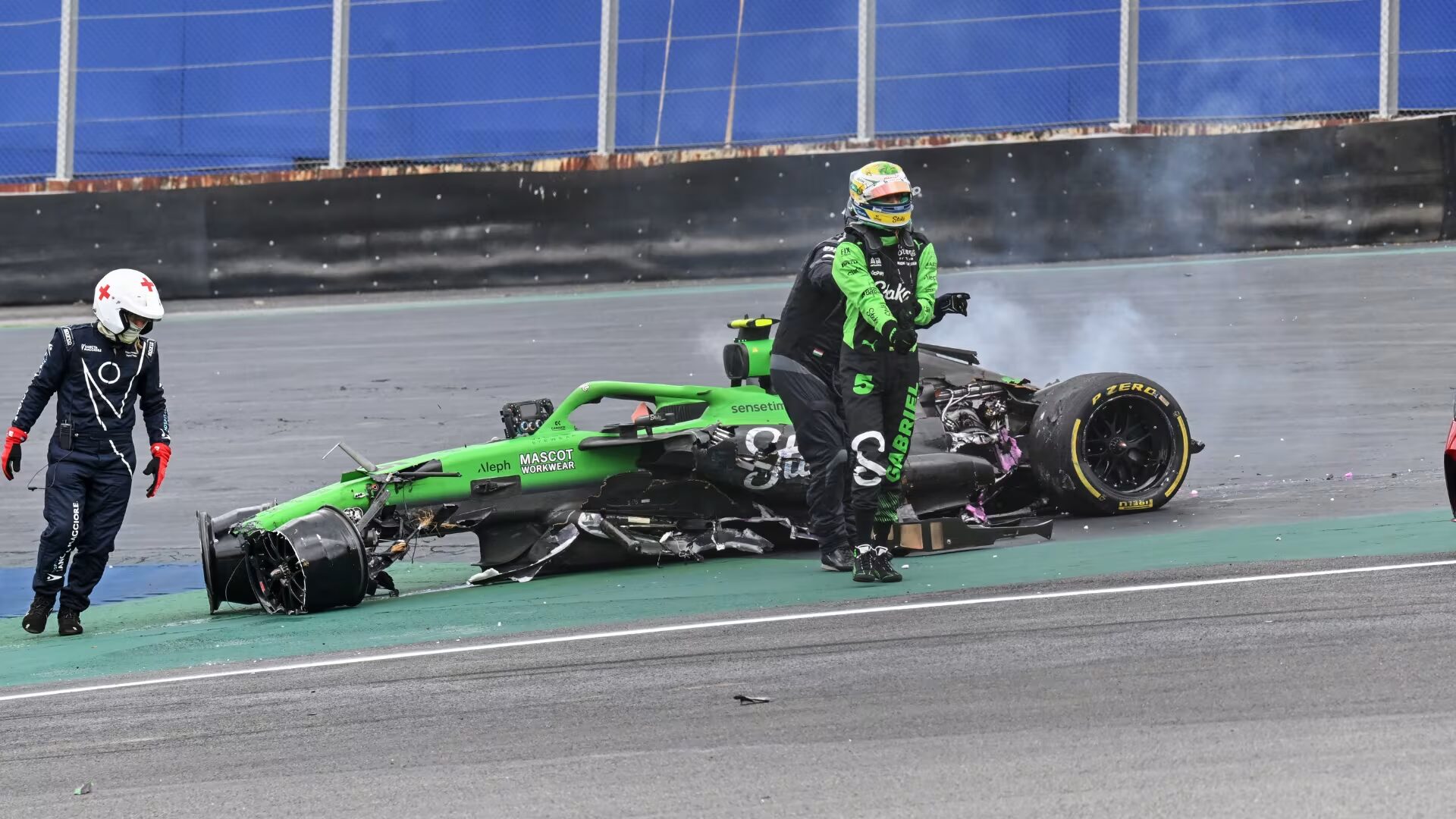
Sunday’s main race began with hope, but Bortoleto’s comeback ended quickly. Starting from P18, he made contact with Lance Stroll on the first lap, sending his Sauber onto damp grass. The car spun into the barriers, immediately ending his race and prompting a Safety Car deployment.
The repetition of back-to-back crashes in under 24 hours highlighted the pressures of racing at Interlagos and drew parallels to past Brazilian drivers’ struggles, such as Rubens Barrichello and Felipe Massa, who also faced heartbreak at their home GP.
Sauber’s Response and Safety Protocols – F1 Rookie’s Brazil Misfortune
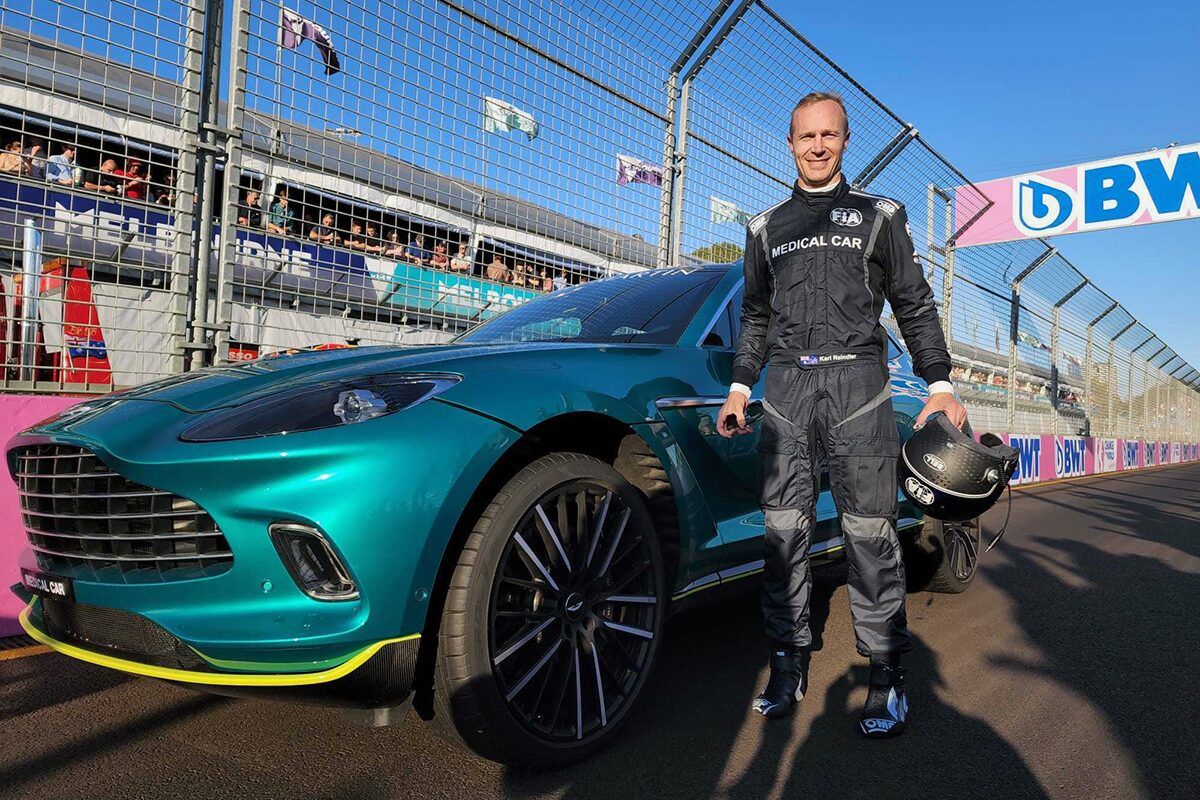
Stake F1 confirmed that Bortoleto was unharmed following FIA medical checks. Team Principal Alessandro Alunni Bravi praised both the rookie and mechanics for composure and rapid work under pressure.
The double crashes tested team morale, logistics, and parts inventory. Sauber’s official statement thanked marshals, medical teams, and FIA officials, highlighting the importance of safety and coordination in handling high-risk rookie weekends.
Lessons for Bortoleto and Other Rookies
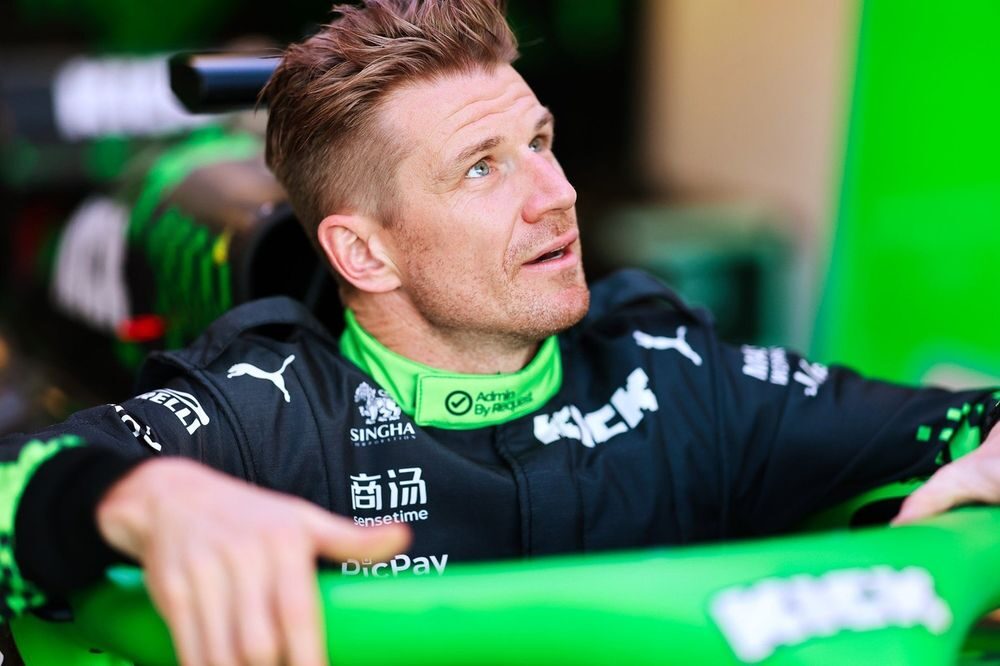
Bortoleto’s reflections after the weekend showed maturity. He accepted responsibility and focused on learning: “These experiences teach you to become a stronger, smarter driver.”
Rookie peers like Oscar Piastri and Andrea Kimi Antonelli have faced similar early setbacks. Bortoleto’s prior successes, including outqualifying Nico Hülkenberg and scoring points mid-season, show potential despite the difficult weekend.
Key Takeaways for Rookies:
- Mistakes provide crucial learning opportunities.
- Mental resilience and patience outweigh immediate results.
- Upcoming Sauber Audi transition may provide more competitive machinery for growth.
These lessons highlight how rookie setbacks can translate into long-term development.
From Misfortune to Growth
Bortoleto’s São Paulo weekend illustrates both the challenges and the growth potential for young drivers. Brazilian fans continued to support their rookie, praising his dedication and professionalism despite the double crash.
For Sauber, the weekend emphasized the importance of reliability, rookie guidance, and preparation for upcoming rounds. The F1 rookie’s Brazil misfortune may have made headlines, but it represents a stepping stone. With persistence, learning, and team support, Bortoleto is well-positioned for stronger performances in the future.